A move is the moment of greatest risk for a vintage piece
The piece may have survived decades in the same house — and most real damage happens exactly within the few hours of a move: a corner knocked against a door, a joint forced during lifting, a finish scratched by badly chosen plastic wrap. The good news: these risks are almost all avoidable, with a few simple steps applied correctly, whether you're moving the piece yourself or hiring a specialised company.
What to put on the piece before moving it — and what to avoid entirely
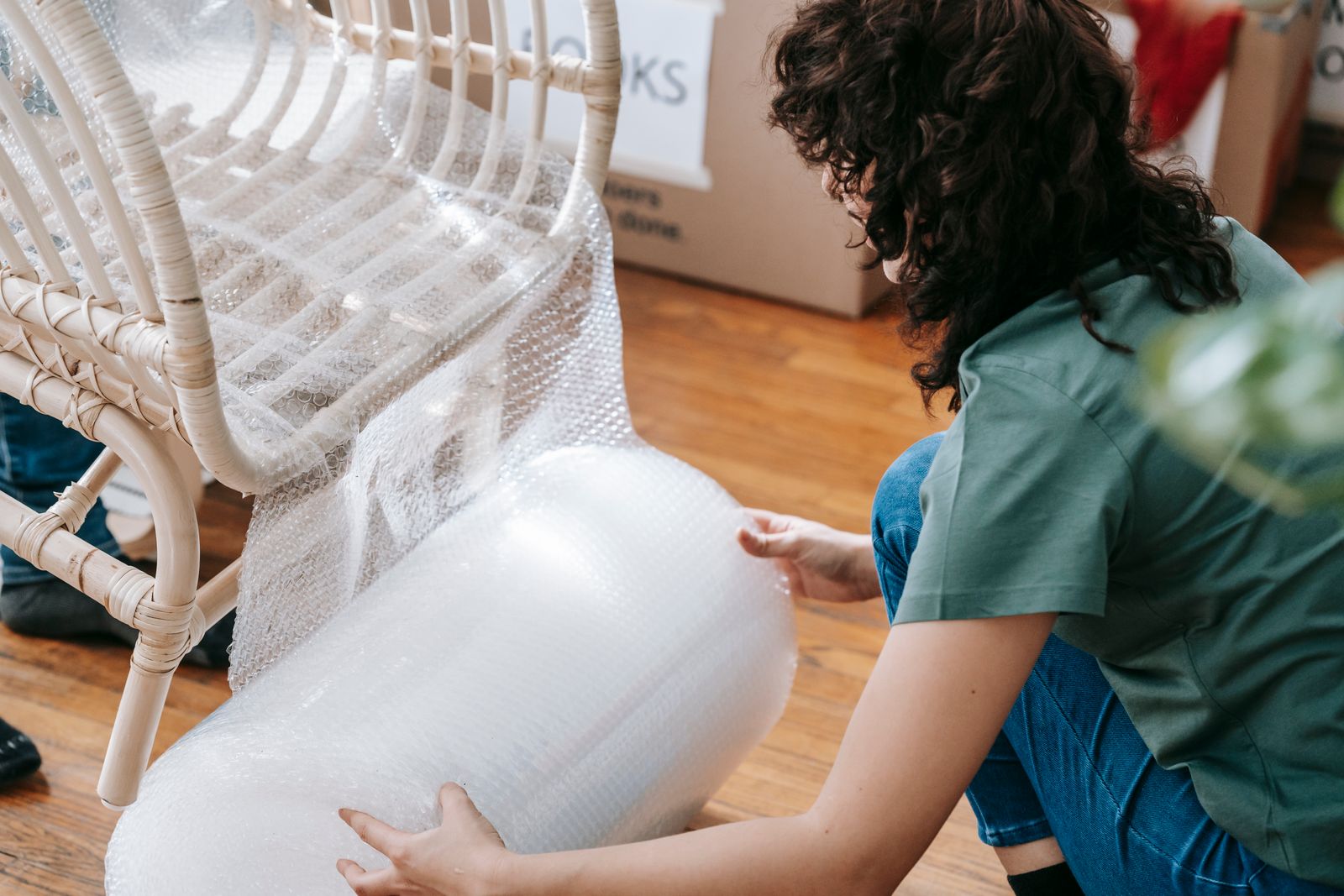
The first, most commonly broken rule: never plastic directly on wood. Plastic sheeting or synthetic tarp traps heat and moisture underneath, and the condensation that forms can stain or warp the finish within just a few hours of transport. The correct approach: a soft, breathable moving blanket directly on the wood surface, followed by an extra layer of protection — bubble wrap or foam — over the blanket, not in direct contact with the piece. For carved corners or slender legs, dedicated corner protectors prevent chipping exactly at an old piece's most fragile points.
Handles, hardware and small parts: remove before transport
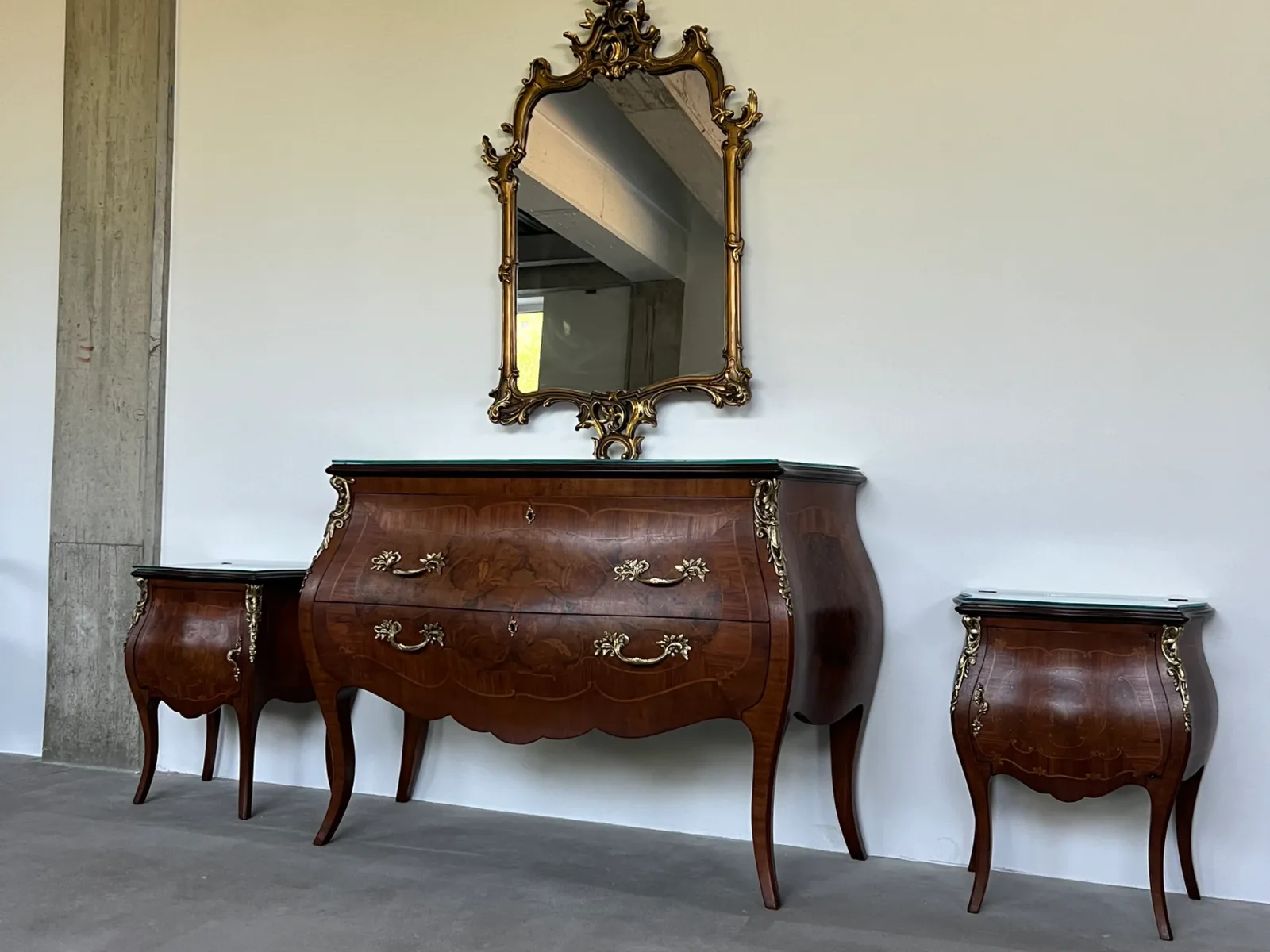
Handles, knobs and casters can come loose or catch on something during handling, and the risk grows in proportion to how old and fragile the original hardware is. Removing them before the move — and keeping them in a labelled bag or envelope so nothing gets lost — eliminates this risk entirely and protects exactly the components hardest to replace identically on a vintage piece. Drawers, if not fixed in place, come out separately and travel apart from the main body, reducing overall weight and the risk of sudden movement inside.
How to lift and transport without straining the structure
A solid wood piece should never be dragged across the floor — the weight and friction can loosen legs or base joints even when no damage is immediately visible. Proper lifting is done from solid structural points — the body's base, not a drawer, a handle or a shelf — with at least two people for larger pieces. During transport, the piece stays upright whenever its shape allows, secured with straps so it can't slide, and separated from other items with extra blankets to avoid friction between pieces along the way.
If the piece isn't going straight to the new home
For a period of temporary storage, a climate-controlled unit remains the only safe option for solid wood — the uncontrolled swings typical of a garage or an uninsulated storage shed produce exactly the fine cracks and warping that careful wrapping is meant to prevent. For caring for the piece after the move, once it reaches its destination, the vintage furniture owner's guide picks up exactly where this article leaves off. And if you're moving or acquiring a piece from the Martello collection, the team can coordinate delivery and proper packing directly — details in delivery across Moldova and Romania or via a conversation on the contact page.