Warranty, Paperwork, and Provenance: What You Should Get With a One-of-a-Kind Piece
You buy a one-of-a-kind piece for its character and story — but for that story to truly count, it needs to be verifiable. Provenance, paperwork, and warranty aren't bureaucratic formalities; they're exactly what turns a beautiful piece into a trustworthy, verifiable purchase that holds its value.
What provenance actually means
Provenance is a piece's documented history: where it comes from, whose hands it passed through, sometimes even the exact era and workshop where it was made. For genuinely old pieces, complete provenance is rare — but even a partial history (country of origin, estimated period, the signature of a known restorer or workshop) adds real confidence, beyond the piece's visual appearance.
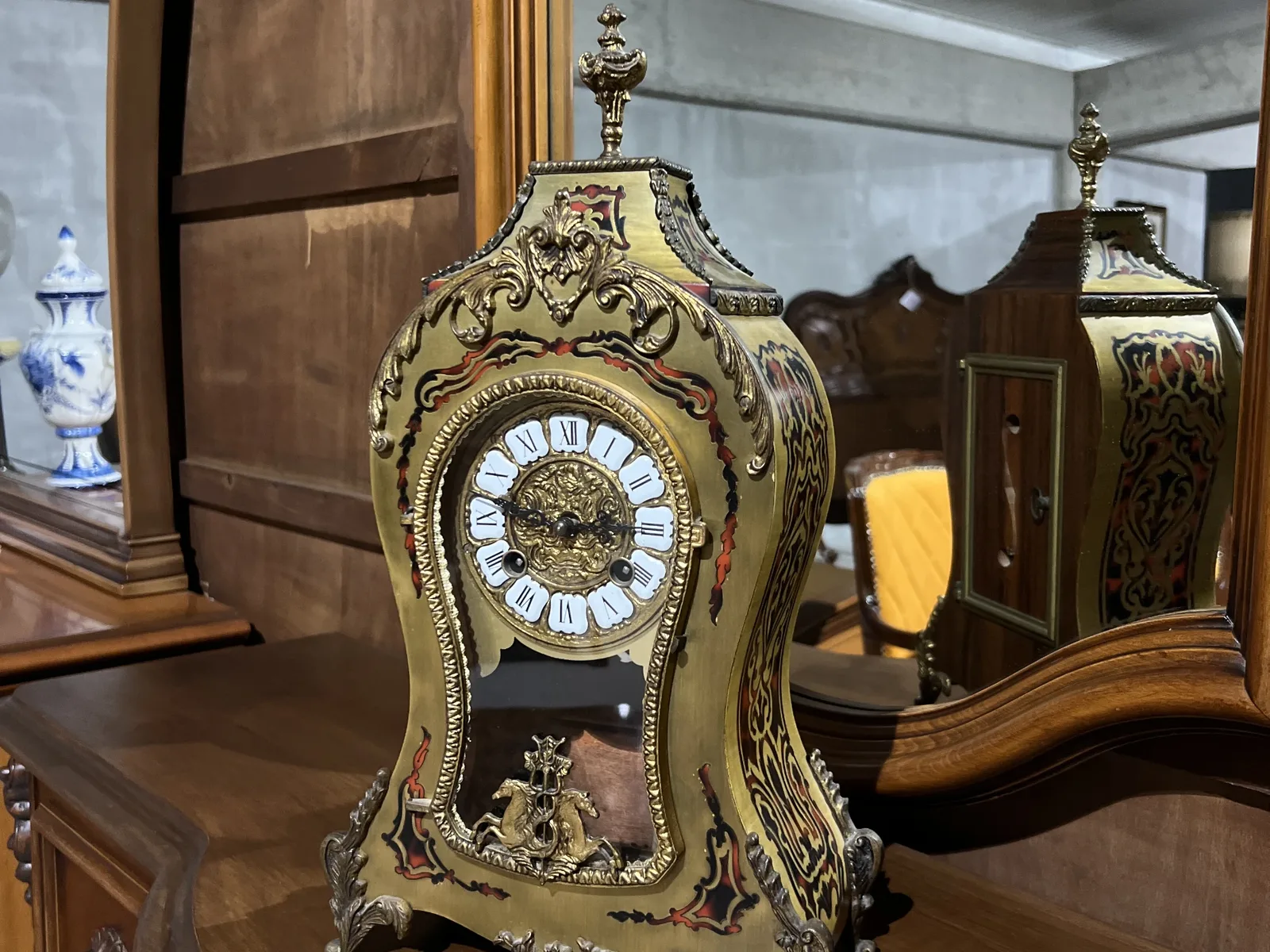
What a serious product description should include
At minimum: the wood species, the estimated period or historical style (Baroque, Louis XV, Empire, etc.), the piece's actual condition — including any previous repairs or restoration — and exact dimensions. A description that avoids these details, using only general adjectives, should raise questions, not confidence.
Warranty on old furniture means something different than on new furniture
Don't expect a classic manufacturer's warranty — a piece from the 1920s doesn't come with a factory certificate. What you should get instead is a clear commitment from the seller: the piece matches the description, the material is as stated, and any hidden defects not disclosed at sale are resolved after purchase. The same principles we explain in our guide on one-of-a-kind pieces versus mass-produced furniture apply directly here too.
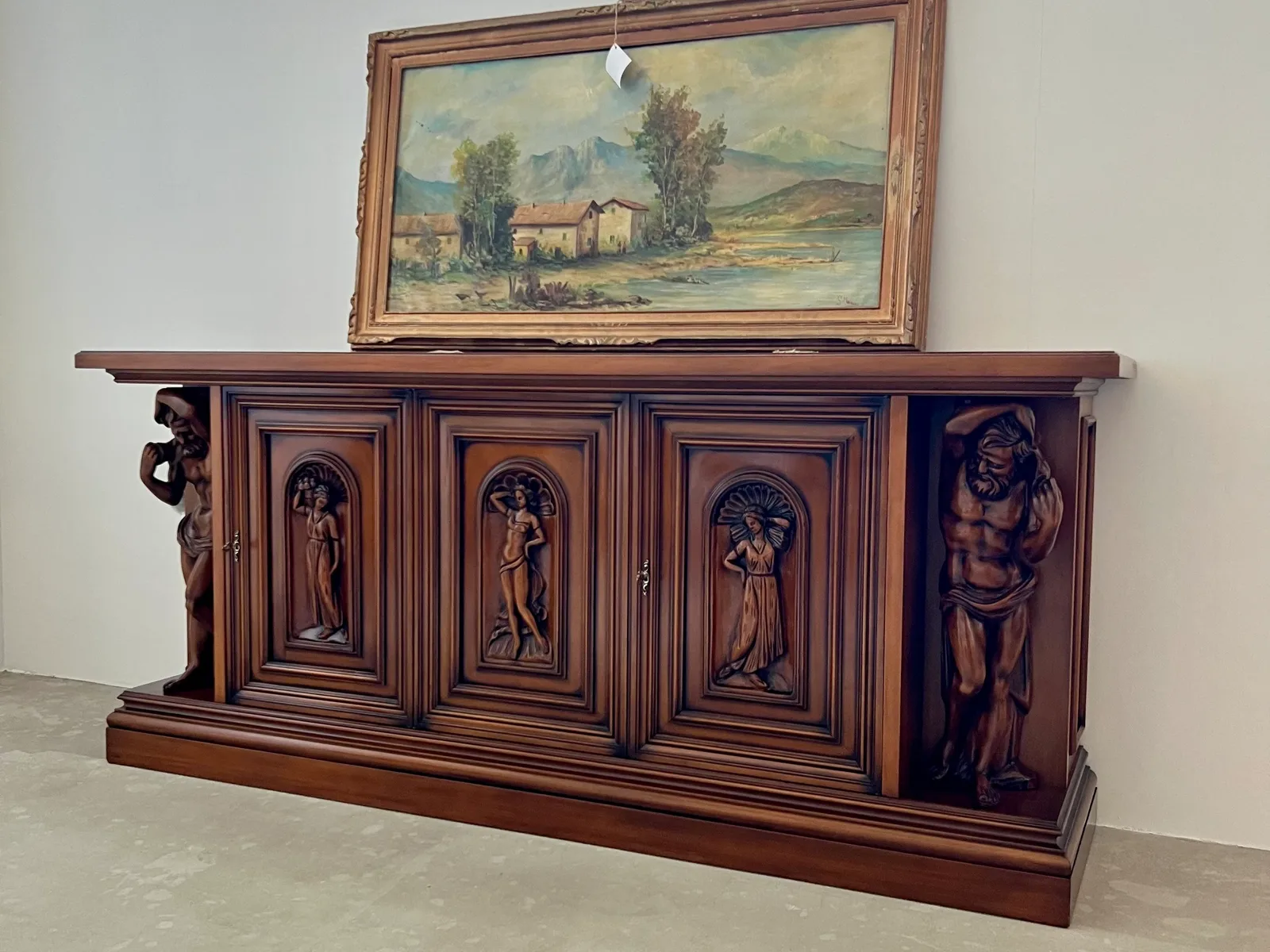
Restoration vs. renovation: a distinction that matters for value
A properly restored piece, with care for the original material, holds its value; an aggressively "renovated" piece, with thick paint over original wood or replaced parts left unmentioned, loses both authenticity and value. A serious seller explicitly discloses any intervention — a topic we cover separately.
Why provenance matters for the price difference
The price gap between seemingly similar pieces often comes down to provenance: a piece with documented history, confirmed wood species, and well-described condition justifies a higher price than an "old-style" piece with no verifiable information at all. It's exactly the difference between buying an object and buying a story that holds up to scrutiny.
How we guarantee authenticity at Martello
Every piece in our collection of vintage clocks and period pieces comes with a complete description — material, condition, any interventions — personally verified before listing. You can examine them directly at our showroom in Nimoreni, Ialoveni, fifteen minutes from Chișinău, or browse the full Martello catalogue online, with confidence that every described detail matches reality.