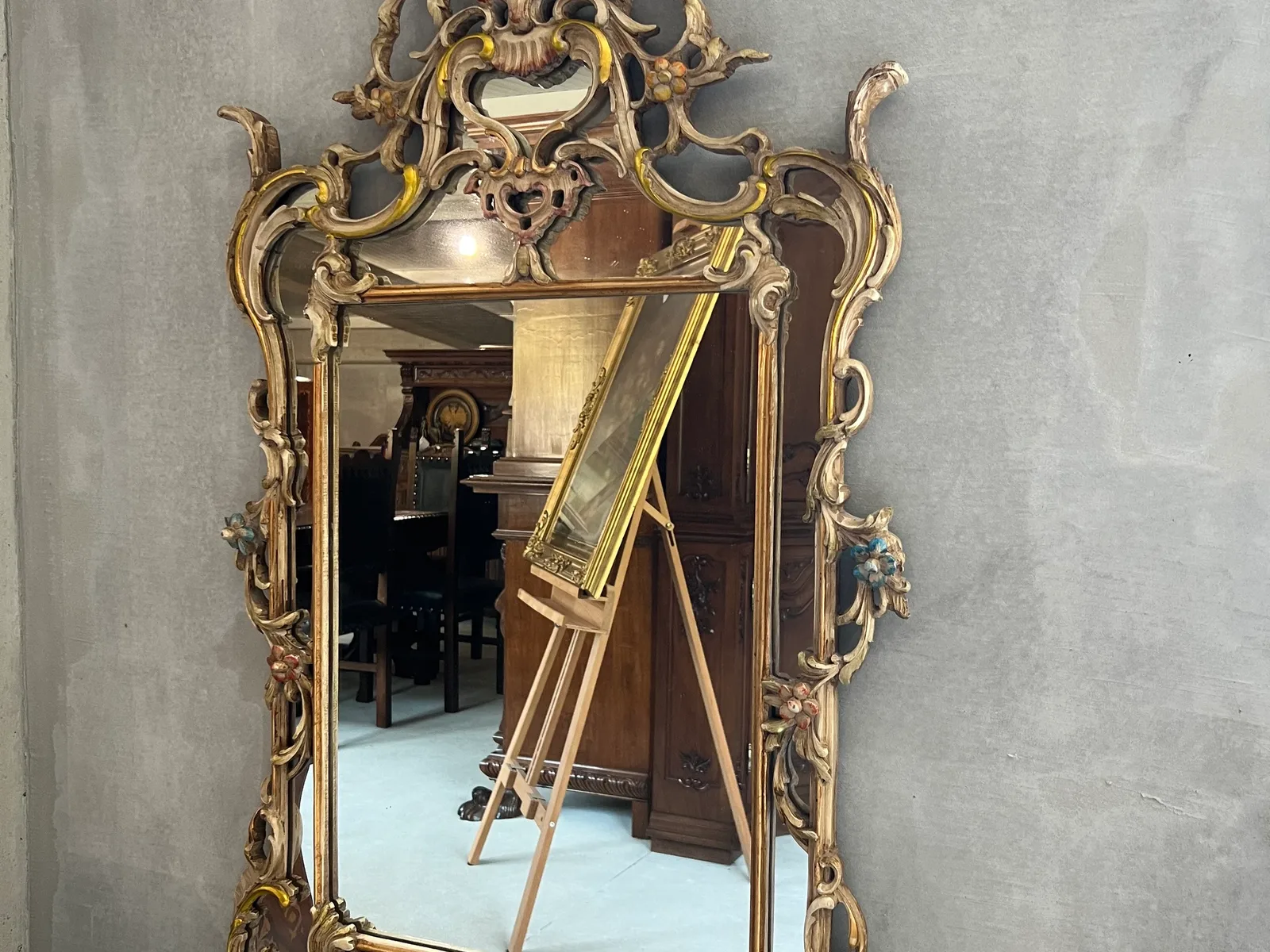
"Vintage style" and "genuine vintage" are not the same thing
In recent years the furniture market has filled with new, industrially made pieces finished to look old — distressed paint, artificially "worn" corners, chemically aged hardware. For a buyer without experience, the difference from a real vintage piece with decades of history can be hard to spot from a photo. The difference matters: a genuine piece has a construction, a wood density and a value that a reproduction simply doesn't have, however well the look is imitated. This guide doesn't repeat how to tell solid wood from veneer — we covered that separately, in the solid wood field test — it focuses purely on the signs of genuine age, the ones that are hard to fake.
Hardware and joinery tell the truth first
Screws and hinges are among the most reliable clues. Pieces made before industrial standardisation have hand-cut screws, with irregular threading and a slightly asymmetric head — on a modern reproduction, every screw is identical, perfectly uniform, because they come off a single production line. Likewise, old dovetail joints have hand-cut teeth, slightly uneven from one to the next; on a new piece, those same teeth are perfectly symmetric, cut by a CNC router. You don't need tools to check this — just a close look at a less visible joint, inside a drawer or on the back of the piece.
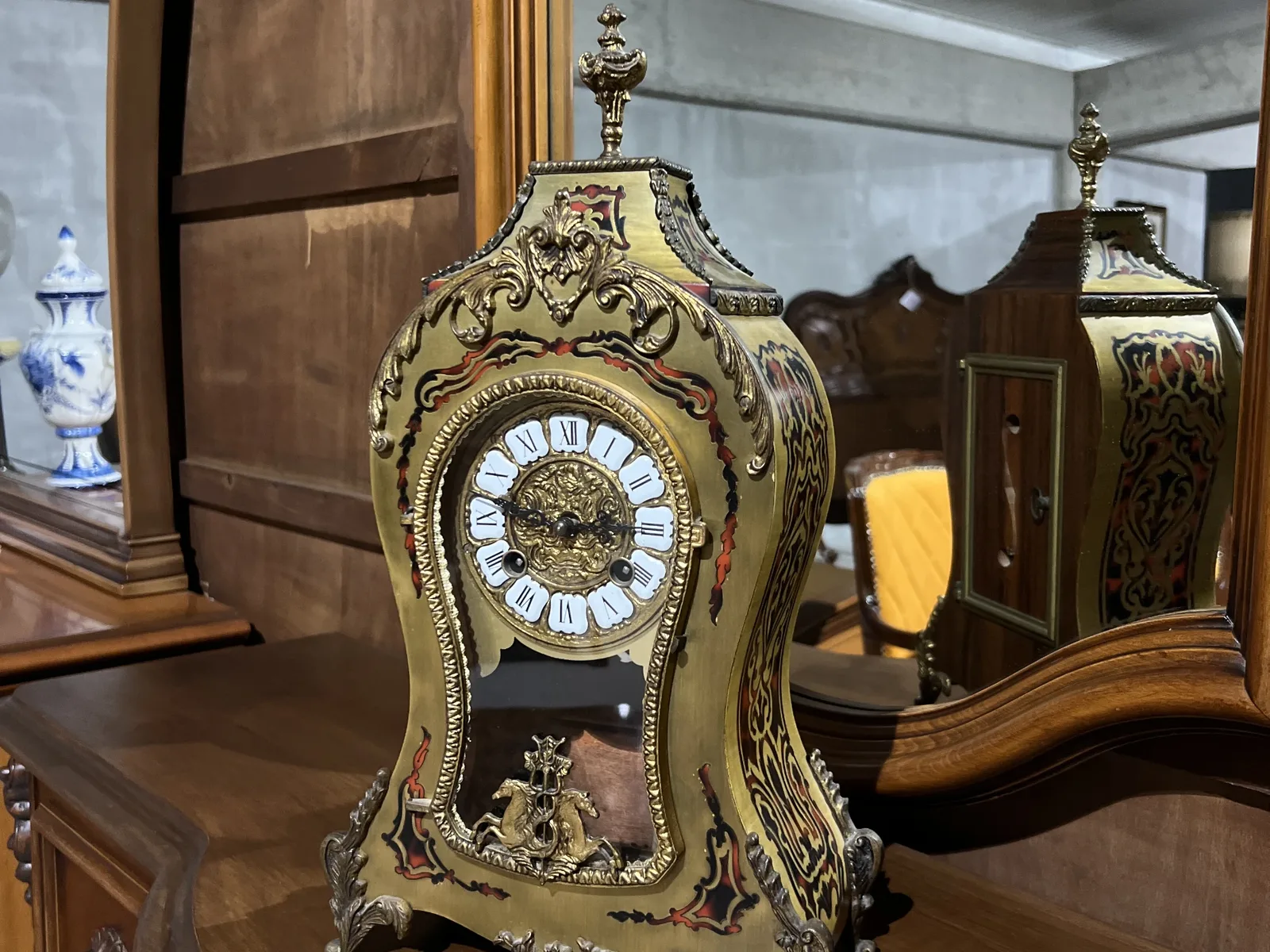
Real wear is uneven. Fake wear is "too logical"
A piece genuinely used for decades wears exactly where it was touched, leaned on or handled most — a cabinet's handles have the most worn shine, a chair's edge where hands rested is more worn than the rest of the backrest, legs show scratches at the height a mop or a dragged chair would reach. Artificial distressing, by contrast, is often "decoratively" distributed — symmetric scratches, the same wear intensity on every corner, something that never happens in real use. Patina — the natural colour shift wood undergoes under light and time — forms in layers, darker where the piece went longest untouched by hands or cleaning; a chemically "aged" new piece has a flat colour, uniform across the whole surface.
Labels, stamps, and the smell of old wood
More valuable pieces often keep a maker's label, a stamp or an inventory number on the back or the bottom of a drawer — even partly illegible, these are a solid clue to genuine provenance. Smell matters too, though it's harder to describe: old wood, treated with natural waxes and oils over decades, has a warm, slightly sweet smell, different from the fresh varnish or paint smell of a new piece. If a seller can't say anything about a piece's provenance — not even roughly, a region or a period — that's a sign the piece doesn't actually have a story to tell.
How to check confidently, without being an expert
The simplest method remains direct comparison: place a genuinely old piece next to a new "vintage style" one, even mentally, and the differences above become obvious within minutes. For someone without experience, a curated showroom remains the safest route — at Martello, every piece is selected exactly by these criteria, not just by looks. The difference between a one-of-a-kind piece with real history and furniture mass-produced to imitate a style is explained at length in one-of-a-kind piece or mass-produced furniture, and for questions about a specific piece, the Martello team answers directly on the contact page.