How to Recognize Quality Solid Wood: The 60-Second Field Test Before You Buy
You probably already know the theory — continuous grain, weight, sturdy joints. The problem shows up at the practical moment, when you're standing in front of a piece in a warehouse, a showroom, or an online listing, and you have to decide in a few minutes whether it's worth the money. This guide doesn't repeat the theory from the complete solid wood guide — it gives you the exact on-the-spot verification protocol: what to do with your hands, what to ask out loud, and which signals should make you walk away without buying.
The 60-second test, right in front of the piece
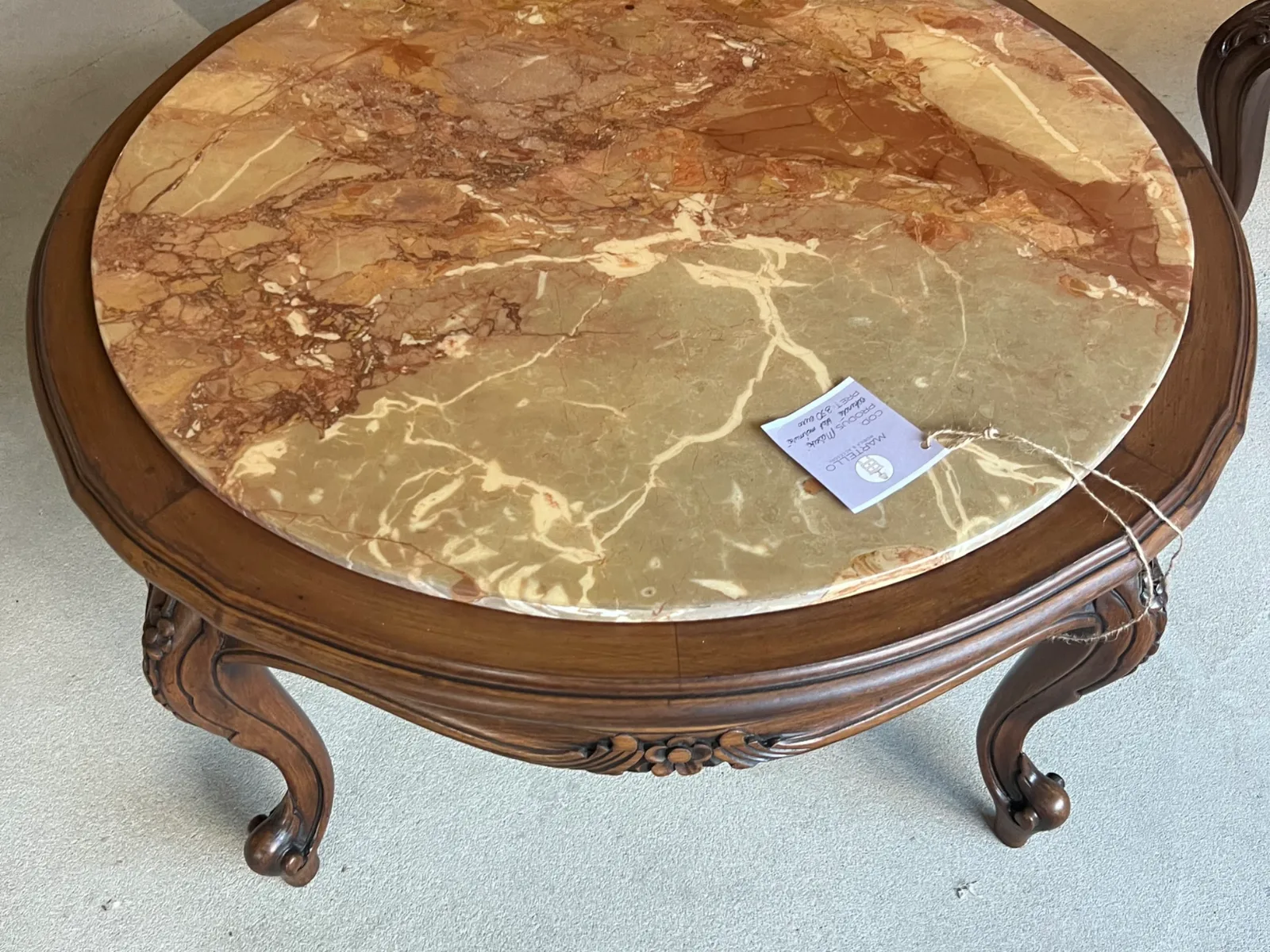
The first ten seconds are for looking: bend down and check whether the grain on the front face continues naturally onto the edges, the underside, and inside an open drawer — not just on the surface visible at first glance. The next twenty are for your hands: gently lift a corner or a removed drawer and feel the weight; a solid-wood body noticeably "pulls" more than a composite one of the same size. Then press a fingernail gently into a less visible area, under a shelf or behind a leg — solid wood doesn't leave a permanent mark, while thin decorative films can scratch or lift at the edge. The last thirty seconds are for sound and motion: tap the surface lightly with a finger — solid wood gives a full, "dull" sound, while particleboard sounds hollower — and slide a drawer or open a door, checking whether the motion is smooth, without side play or the squeak of cheap hinges.
The exact questions to ask the seller
A seller who deals in genuine pieces answers three simple questions without hesitation or vague phrasing. First: "What exact wood species is this piece made of, and is that true for every component, or just the top?" — a good answer names the species clearly (walnut, oak, cherry) and mentions if the inner structure uses a different wood. Second: "Does the grain on the edges and the back match the grain on the front?" — if the seller avoids a direct answer or says "it's basically the same," that's a red flag. Third: "Can the piece be sanded and refinished years from now if it gets scratched?" — genuine solid wood handles that without issue; an evasive answer or an unjustified "we don't recommend it" gives away a film-covered composite that falls apart when sanded. Write down the answers — a serious seller won't mind if you ask three times.
Common tricks used to pass veneer off as solid wood
There are a few common tricks, especially among less scrupulous sellers, worth knowing in advance. The first is the "showcase corner": the piece has a single visibly cut corner or edge where you can see the real grain, while the rest is covered in edge-banding tape that mimics wood perfectly. The second is misleading photography in online listings, where a composite piece is shot under strong side lighting specifically to bring out a printed wood texture that's hard to tell apart from the real thing on a screen. The third trick is ambiguous wording: terms like "wood finish," "solid look," or "wood structure" appear frequently in descriptions but never explicitly say "100% solid wood" — an omission that's rarely accidental. Finally, some pieces use solid wood only in the visible structure — legs, frame — and composite in the large panels, tops, or doors, a combination that's hard to spot without directly checking each component.
What to do if you're not sure on the spot
If the quick test doesn't give you a clear answer, there's no shame in postponing the decision. Ask to see the piece in natural light, not just under a showroom's warm spotlights, because artificial light blurs the shade differences between genuine wood and imitations. Also ask for a clear photo of the back and the inside of the drawers — areas that cheap furniture makers rarely finish as carefully as the visible side; if the seller hesitates to show them, that's already an answer. For higher-value pieces, you can also ask for written confirmation of the wood species, even informally, in a message or on the invoice — a simple but useful document if an issue comes up later. If none of this is possible, the safest decision is not to buy on the first visit.
Species, weight, and grain — in brief
Beyond the field protocol, the species you choose matters too: walnut has warm tones and a fine grain, oak is denser and holds up excellently to daily wear, and cherry deepens beautifully in shade over the years. Weight and grain continuity remain, regardless, the most reliable physical clues you can check without tools. For a detailed comparison of species and the full explanation of traditional joints, grain, and finishes, the complete solid wood guide remains the reference resource — this article focuses exclusively on verification at the moment of purchase.
Buying from a photo vs. checking at the showroom
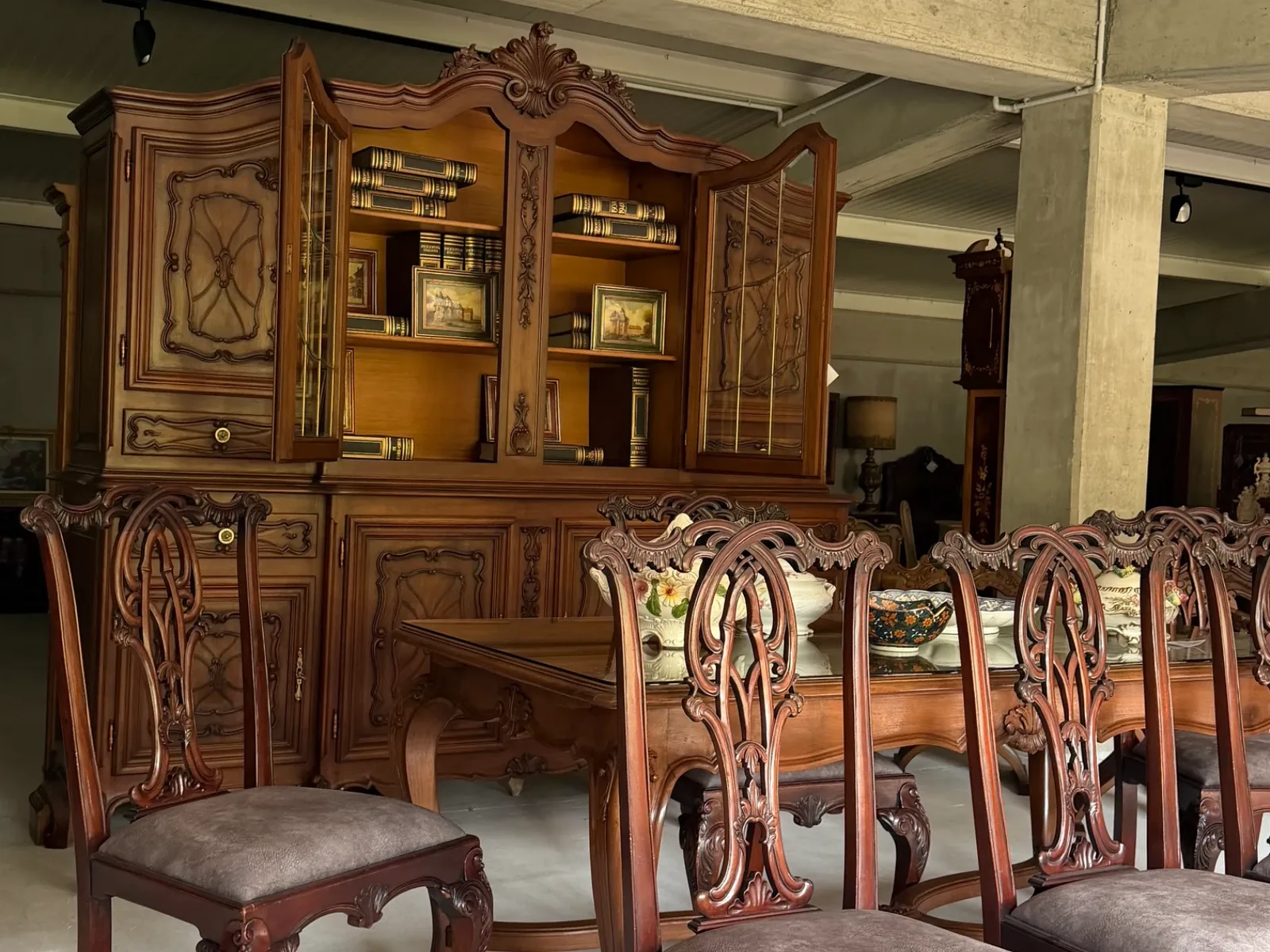
A photograph, however well shot, can't convey a piece's weight, the sound it makes when touched, or the real temperature of the wood under your palm — exactly the elements the 60-second test relies on. Buying online without a physical check remains the riskiest scenario for solid wood furniture, because most of the tricks described above work perfectly behind a screen and vanish instantly in front of the real piece. At the Martello showroom in Nimoreni, Ialoveni, about 15 minutes from Chișinău, every piece can be touched, lifted, and examined exactly as this guide recommends, before you decide. Because every piece in the collection is one-of-a-kind — once sold, it's never repeated — a direct check matters twice over: not just for the wood's quality, but for the certainty that you're choosing the exact piece you saw, not a "similar" one. The difference between a one-of-a-kind piece and mass-produced furniture is explained in detail in one-of-a-kind piece or mass-produced furniture: why it matters, and the reasons a thoroughly verified piece is worth the investment are covered in quality furniture, an investment that holds its value. You can browse the entire curated selection in the Martello catalog and then confirm everything by hand, at the showroom, before deciding.