Quality furniture: the one investment in your home that never depreciates
A sofa bought cheaply today will end up at the curb in seven or eight years. A solid wood piece, chosen carefully, will be worth just as much — sometimes more — twenty years from now. The difference isn't taste, it's arithmetic: quality furniture is the one object in a home that can hold, and sometimes even increase, its value over time. At the Martello Mobili showroom in Nimoreni, Ialoveni, just 15 minutes from Chișinău, we see this every day: families replacing a cheap sofa for the third time, finally deciding to invest once, and invest well.
Why solid wood gains value instead of losing it
Solid wood — walnut, oak, cherry — behaves completely differently from particleboard or MDF. The grain keeps settling for years, the patina deepens, and a well-joined frame lasts for generations. A well-cared-for oak piece doesn't degrade, it becomes more beautiful: the color deepens, and the grain and knots tell a story no laminate can imitate. To understand exactly what sets wood species apart, it's worth reading about how to choose the right wood species before any major purchase. Walnut has a warm, chocolate tone suited to statement pieces; oak is lighter and extremely resistant to daily wear; cherry, with its reddish undertones, matures beautifully in natural light year after year.
Particleboard versus solid wood: the real cost behind a low price
A particleboard dresser costs less upfront, but the real calculation doesn't stop at the receipt. Particleboard absorbs moisture, swells at the corners, and the hardware loosens after just a few years of daily use — more often than not, the piece gets replaced rather than repaired. Solid wood, by contrast, can be adjusted, refreshed with oil or wax, and stays functional for decades. Measured against years of actual use, a quality piece practically costs less per year than cheap furniture bought three times over.
Timeless design: the piece that never goes out of style
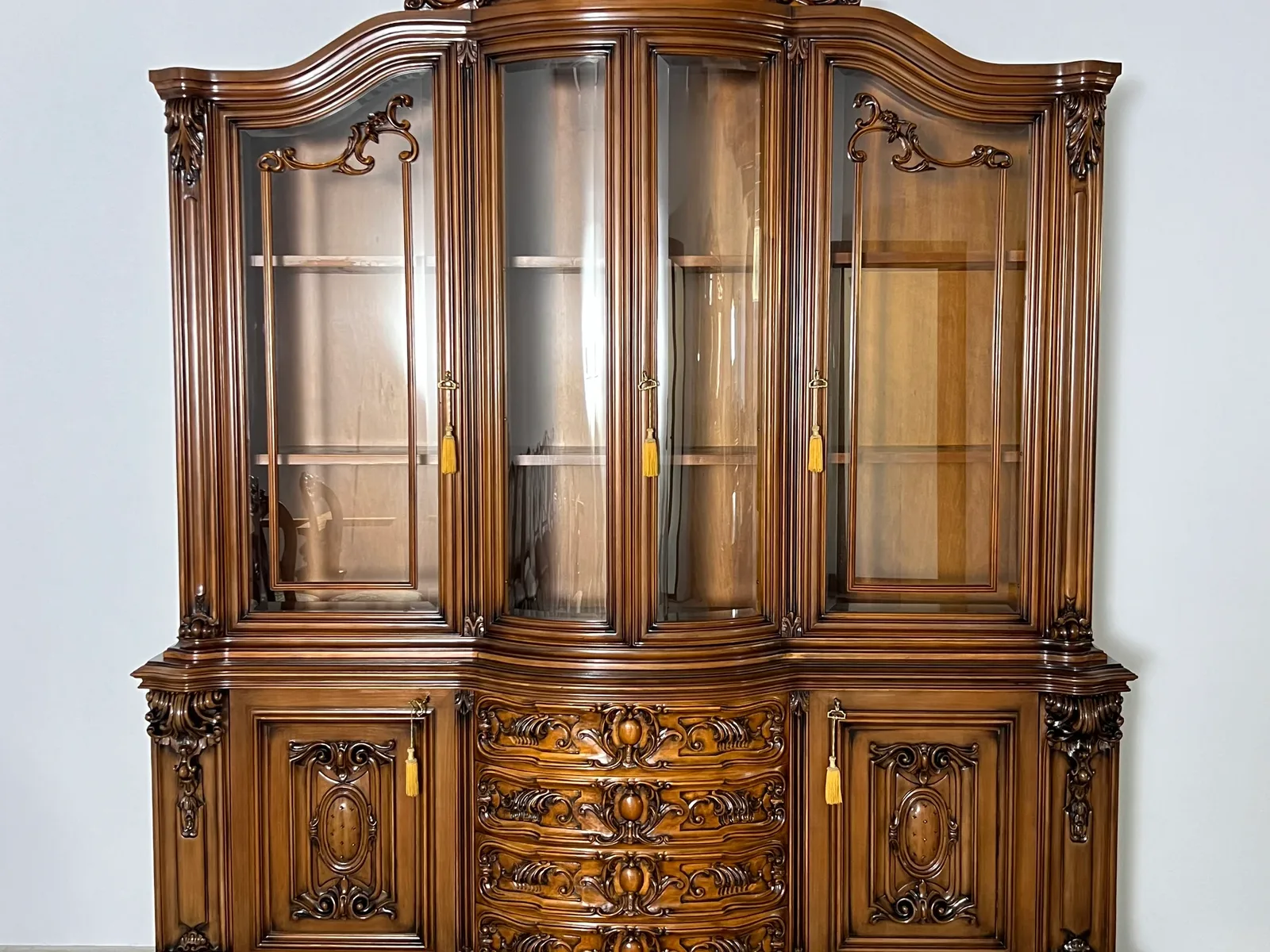
Trends pass, but a well-proportioned classic line stays relevant regardless of the decade. A round solid walnut table, a dresser with elegant curves, or an armchair with balanced proportions fits just as naturally into a modern apartment as into a country house. That's exactly why a timeless piece deserves to be passed down, not discarded at the next renovation. For ideas on building a living room around such lasting pieces, see our guide to decorating a living room with premium furniture.
Resale value and family heirlooms
The good old furniture from our grandparents' homes is sought after today precisely for what isn't made the same way anymore: thick solid wood, sturdy joinery, finishes applied by hand in their era. A well-chosen unique piece today follows the same path — it doesn't just hold its value, it becomes part of a family's story, passed on to the next generation. The difference between a piece that depreciates and one that gains value often comes down to rarity: a one-of-a-kind piece, once sold, is never repeated — unlike mass-produced furniture made identically in the thousands. We explored this exact distinction in unique piece versus mass-produced furniture.
How to recognize a piece truly worth the investment
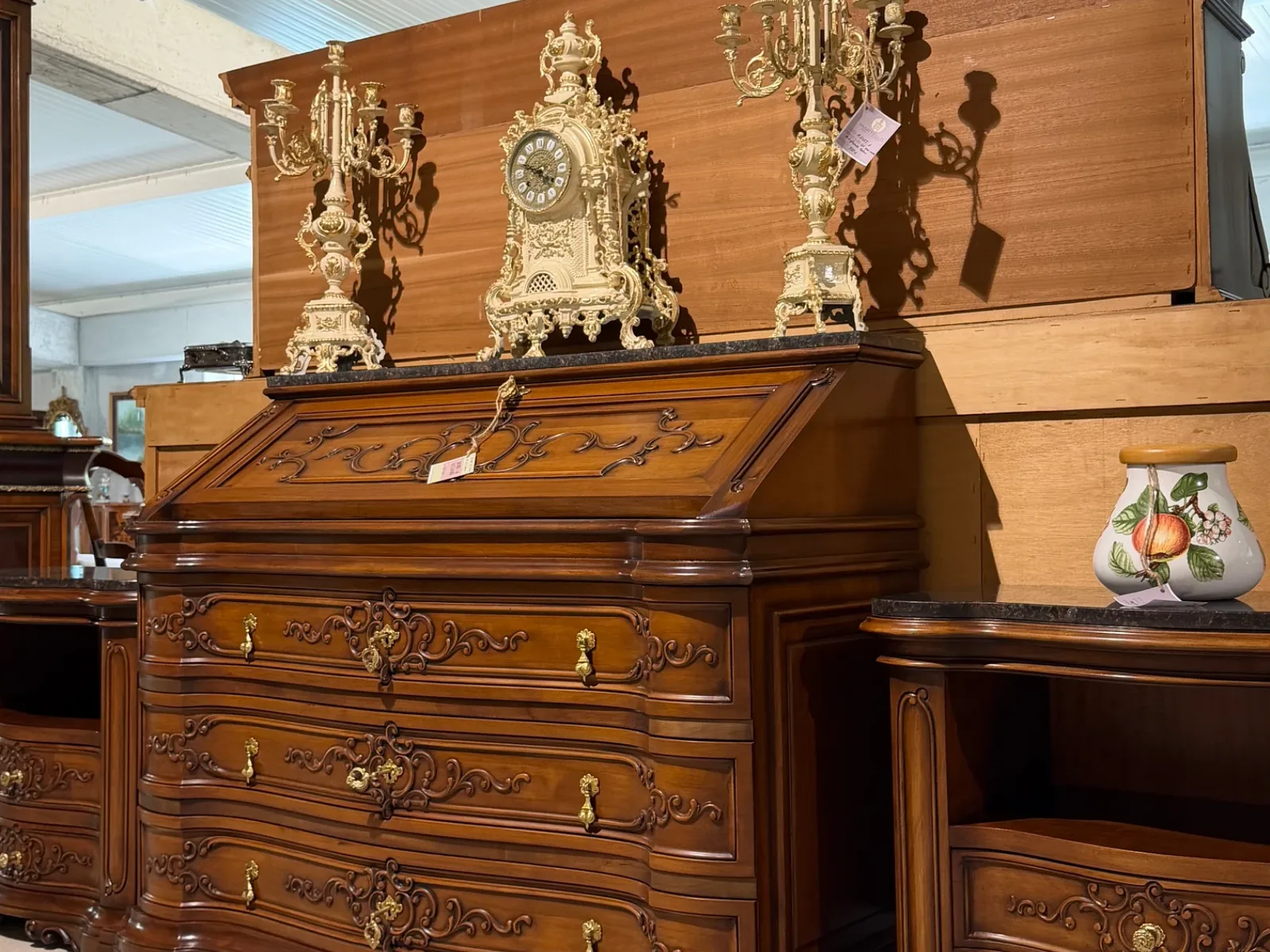
Start by checking the weight — genuine solid wood is noticeably heavier than particleboard or thin veneer furniture. Then look at the joinery: corners should be solidly assembled, not merely glued or held together with visible screws. Touch the surface — natural wood has a slightly uneven texture with subtle color variation, unlike the perfect uniformity of laminate. Finally, ask about provenance: a carefully selected piece with a history is worth more than a mass-produced object. We've written a full guide on how to recognize quality solid wood, useful before any purchase. Finally, listen to the sound: tapped lightly with a finger, a solid wood surface sounds dense and full, unlike the hollower, cardboard-like knock of a veneered particleboard panel.
Proper care: protecting your investment year after year
A valuable piece needs a little consistent attention, not major effort. Avoid direct, prolonged sunlight, which can dry out the wood grain, and keep humidity in the room steady, without sudden swings. Regular cleaning with products suited to wood, free of abrasives, along with wax or oil applied every few months, keeps the shine intact and protects the surface from minor scratches. For vintage furniture enthusiasts, we've gathered all these details in a complete guide to caring for vintage wood furniture.
Why choose Martello Mobili for your investment
At Martello Mobili, we don't sell mass-produced furniture. We select, piece by piece, genuinely rare objects — dressers, tables, mirrors, and armchairs that have already stood the test of time and that, once sold, are never repeated in the collection. Every piece in our showroom in Nimoreni, Ialoveni is chosen precisely for this balance between beauty, quality of wood, and the potential to remain relevant for generations. If you'd like to see the difference between mass-produced furniture and a one-of-a-kind piece for yourself, we're waiting 15 minutes from Chișinău, or you can browse our entire collection of solid wood furniture from home, including the section dedicated to vintage furniture ready to become the next generation's heirloom.