Caring for Solid Wood Through the Seasons: Humidity, Heat, and Light
Solid wood, even after becoming furniture, remains a living material — it expands, contracts, and reacts to its surroundings far more than particleboard or MDF. The good news: with a few simple habits, adapted to the season, a well-cared-for piece lasts for generations. Here's what changes throughout the year.
Winter: the enemy is dry air, not cold
In the cold season, central heating lowers indoor humidity, sometimes dramatically. Solid wood loses moisture along with the surrounding air and can shrink slightly — hence small surface cracks or joints that feel "looser" than in summer. A room humidifier, keeping relative humidity around 40-55%, prevents most of these issues. Also avoid placing pieces directly next to radiators or other strong heat sources.
Summer: humidity and direct light, the main risks
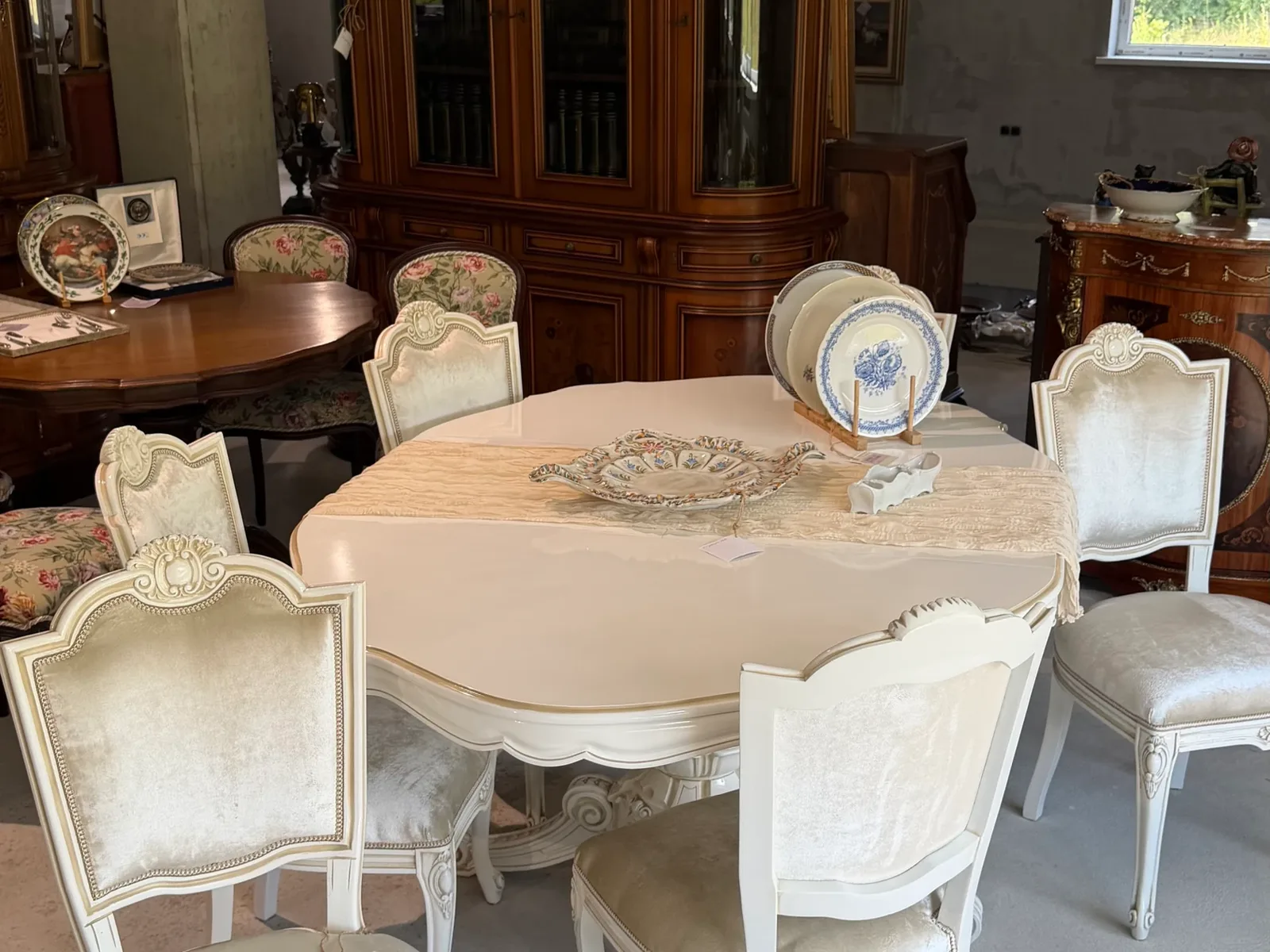
Summer brings the opposite problem — high humidity, especially on damp days or near frequently opened windows, can make wood swell slightly, causing drawers to stick. In addition, prolonged direct sunlight fades wood unevenly — a piece accidentally moved or partially covered by a cushion can develop a noticeably different shade on the exposed section over time. Occasionally rotate decorative objects on a sun-exposed piece for more even exposure.
Basic cleaning, regardless of season
A soft, slightly damp cloth, immediately followed by a dry one, is enough for regular cleaning — avoid excess water, which can seep into the wood at the joints. Furniture wax, applied two or three times a year, nourishes the wood and maintains a natural protective layer. For living-room pieces with associated upholstery, the principles are similar to those in our guide on caring for genuine leather sofas.
Signs a piece is suffering from the environment, not age
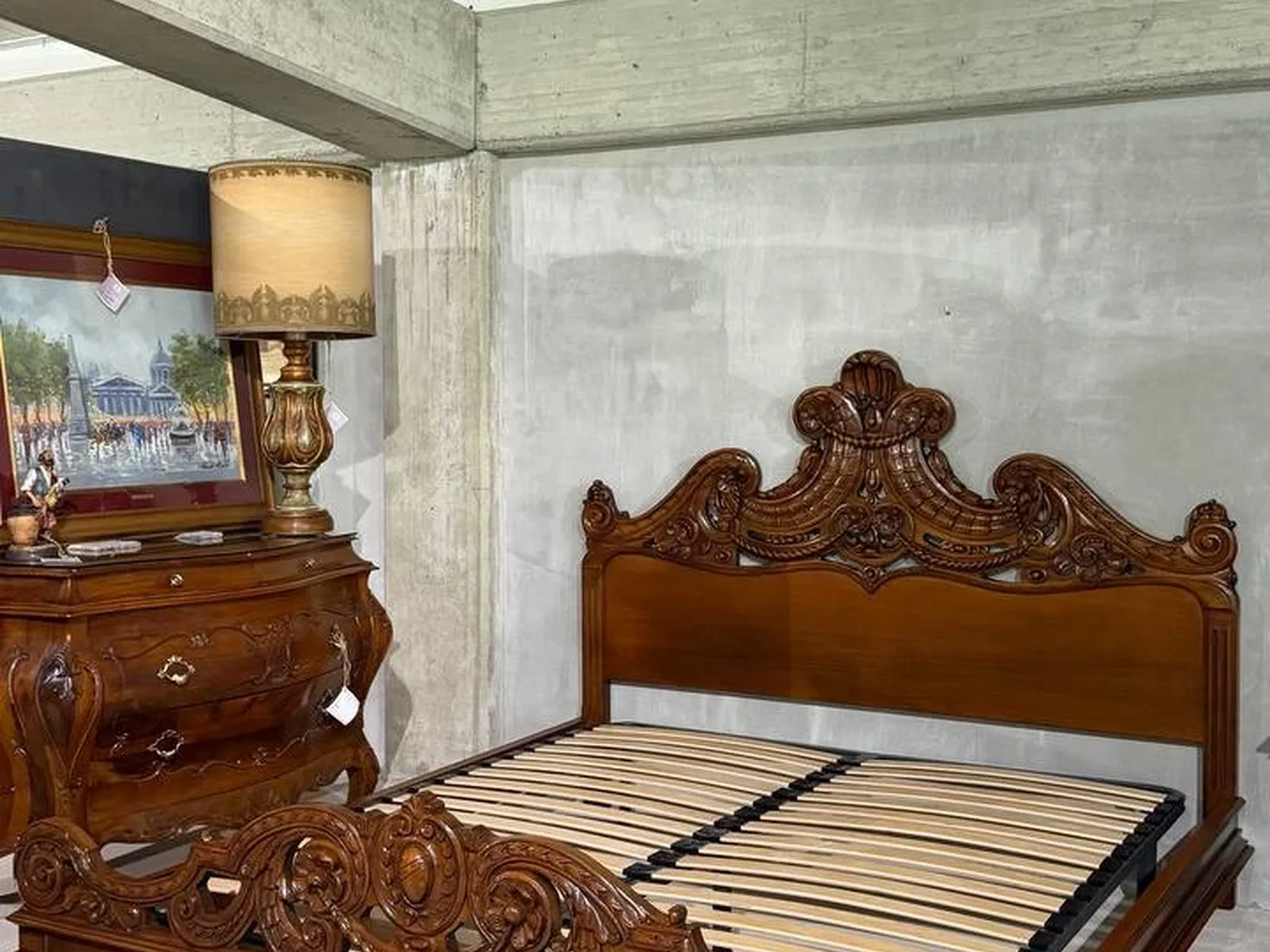
A door that doesn't close quite perfectly in autumn but returns to normal in spring isn't a defect — it's wood breathing with the seasons, completely normal for genuine solid wood. This is clearly different from a permanent crack or warping that doesn't go away, a sign the piece spent too long in an extreme environment without correction.
Why the difference between solid wood and veneer matters here
Solid wood, although it reacts to the environment, can almost always be restored — sanded, rehydrated, refinished. A veneered piece, by contrast, doesn't have the same margin for error; excess humidity can irreversibly peel veneer from its particleboard core. We cover this difference in depth in our guide on veneer versus solid wood, also useful for understanding what actually deserves careful seasonal attention.
Solid-wood pieces, ready for generations, at Martello
In our dining table collection and throughout the rest of the catalogue, every piece is genuine solid wood, capable of withstanding exactly these seasonal fluctuations with the right care. You can see them at our showroom in Nimoreni, Ialoveni, fifteen minutes from Chișinău, or explore the full Martello catalogue online. A well-cared-for piece doesn't just withstand time — it grows more beautiful with it.