How to care for a genuine leather sofa so it looks impeccable for years
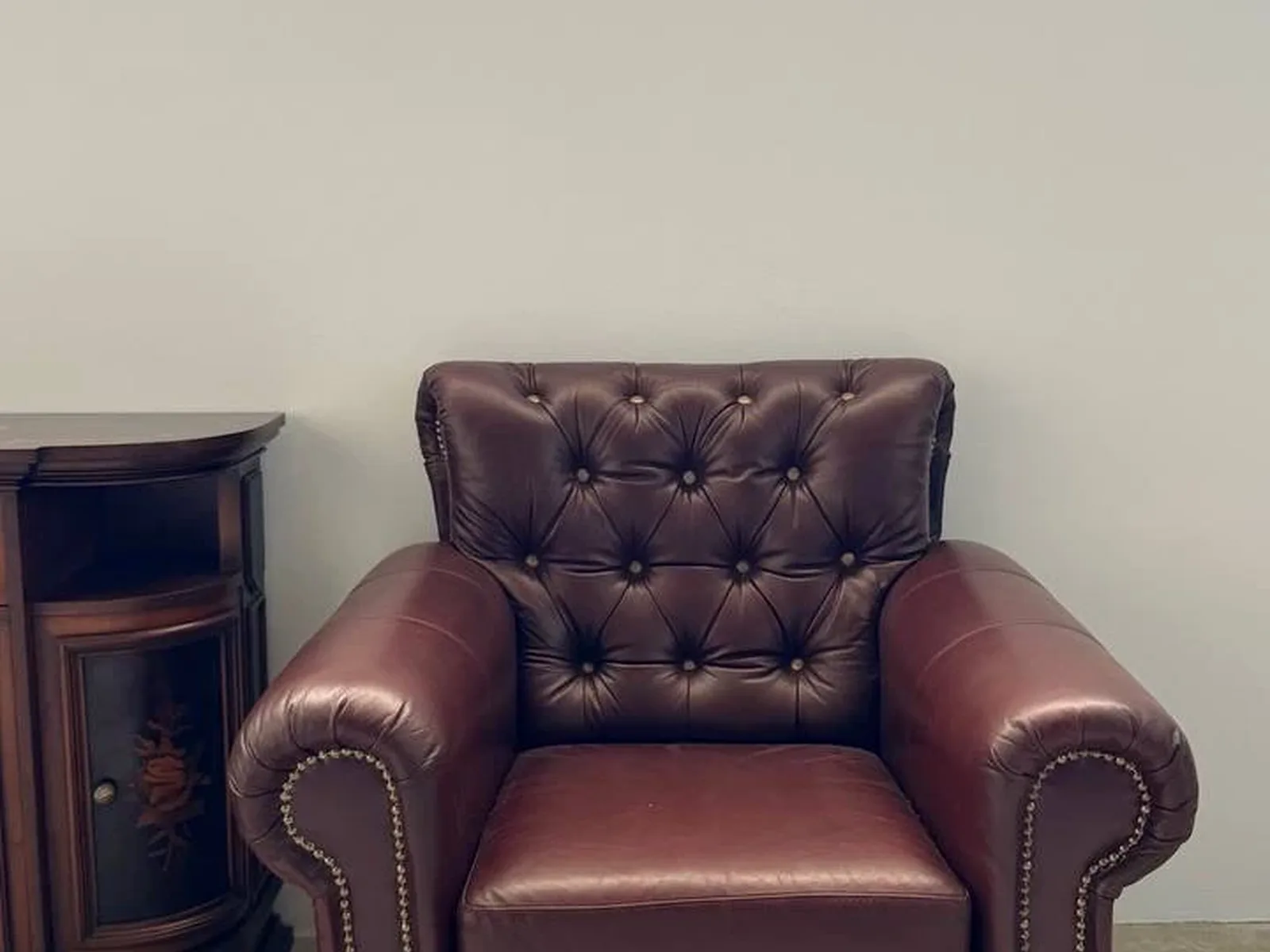
A genuine leather sofa is not just a piece of furniture — it is an investment that ages beautifully over time, provided you know how to look after it. Unlike faux leather, genuine leather breathes, softens gradually with use, and develops a subtle patina, the mark of a piece that has been lived with, not worn out. That is exactly why, within the living room collection we curate for our showroom, genuine leather sofas hold a special place: they are one-of-a-kind pieces, chosen for the quality of the hide and the solid wood frame beneath it, and once sold, they are never repeated. Proper care is not complicated, but it does require consistency and a handful of simple rules, which we lay out below.
Weekly basic cleaning
Dust is leather's first enemy, since it settles into the material's pores and, combined with daily friction, acts as a fine abrasive. A weekly wipe with a soft, dry or slightly dampened microfibre cloth keeps the sofa clean without putting it under stress. Avoid abrasive sponges, alcohol wipes, or universal cleaning solutions — genuine leather has a sensitive pH, and harsh products dry out its fibres and accelerate cracking. For dust trapped in seams and corners, a soft brush, the kind used for electronics, works wonders without scratching the surface.
Conditioning: the secret to leather that ages gracefully
Genuine leather is, in essence, a living structure of the material — and, much like our own skin, it needs periodic conditioning to stay supple. We recommend a dedicated leather cream or balm for furniture, applied every three to six months depending on how exposed the sofa is to heat and light. Apply a thin layer with a clean cloth in circular motions, let it absorb for a few minutes, then buff away the excess. Properly conditioned leather not only looks better, it also resists micro-cracks more effectively, particularly in the areas under the most stress — armrests and the front edge of the seat, where the hide bends most often.
Protection from sun, heat and humidity
Direct, prolonged sun exposure is the number one reason genuine leather fades and dries out prematurely. Ideally, a leather sofa is positioned away from windows or shielded with curtains, especially during summer months. It is equally important to keep the sofa away from direct heat sources — radiators, fireplaces, space heaters — since hot, dry air quickly strips the leather's natural oils. Excess humidity, on the other hand, encourages mould in the seams, so a damp room benefits from regular airing. If you live in Chișinău or anywhere across Moldova and Romania, where summers run hot and winters bring intense indoor heating, both extremes deserve double attention.
Stains, small scratches and everyday accidents
A spilled glass of wine or a pen mark need not be a disaster. The golden rule is to act immediately: blot the liquid — never rub — with a dry absorbent cloth, and if a mark remains, wipe gently with a damp cloth and no soap. Superficial scratches, from a cat's claws for instance, often fade with nothing more than the gentle warmth of your hand — rub the area with your palm for a few minutes, and the leather's natural oils help the fibres settle back into place. For deeper scratches or older stains, a textile restoration specialist is the safer choice, far better than an amateur experiment that could make matters worse.
Common mistakes that shorten leather's lifespan
The most frequent mistake is using wood furniture polish or silicone-based products on leather — these leave a film that clogs the pores and, over time, gives the leather a plasticky look. Just as damaging is letting pets with untrimmed claws climb directly onto the upholstery, or placing the sofa too close to a working fireplace, where sparks and radiant heat can mark the surface. Finally, ignoring maintenance altogether — no cleaning, no conditioning, for years on end — is the main reason some leather sofas look aged after just a decade, while others, cared for consistently, remain as elegant as on day one.
Choosing a leather sofa that ages well from the start
Proper care actually begins at the moment of choosing. Genuine leather pieces with good thickness and quality tanning hold up far better over time than thin, industrial alternatives. If you are just starting out on choosing the right sofa, our article on how to choose a solid wood living room sofa explains what matters in the frame beneath — every bit as important as the upholstery itself. For historical context, it's worth reading about the history of the Chesterfield sofa, one of the longest-lived leather sofa silhouettes in European furniture history. And if you're torn between leather, velvet or linen, the comparison in premium upholstery: velvet, linen and genuine leather puts things into useful perspective.
Consistent care for a genuine leather sofa is, ultimately, a form of respect for a rare piece. Much like the approach outlined in caring for vintage wooden furniture, a few minutes a week and a conditioning routine every few months make the difference between a piece that degrades and one that grows more beautiful with age. It's also why we regard quality furniture as an investment that holds its value, rather than a quick consumption purchase. If you'd like to see textures and hues up close, the Martello showroom in Nimoreni, Ialoveni — just 15 minutes from Chișinău — displays one-of-a-kind genuine leather pieces, each with its own story and character. Browse the full selection in the Martello catalogue and see, in person, what well-cared-for genuine leather with its quiet patina really looks like — something a photograph never fully captures.