How to choose a solid wood living room sofa: a guide to pieces built to last
A sofa is not a purchase for one season — it is a decision a family makes once every 15 to 20 years. In living rooms across Chișinău and the rest of Moldova, as well as Romania, the sofa is the piece that receives the most daily attention and traffic: children, guests, evenings spent reading. Getting it right comes down to four things rarely checked at first glance: the frame, the wood species, the filling, and the upholstery. This guide walks through each one, so you know exactly what to look for before you settle in for good.
The frame: the foundation that lasts a lifetime
Underneath the upholstery lies what separates a sofa built to last generations from one that sags within two or three years. A solid wood frame joined with dowels and natural adhesive, rather than staples and thin screws, absorbs body weight without creaking or losing its shape. Check the corners and the area beneath the cushions: if the structure feels solid, with no give, that is a good sign. The pieces we select for the Martello collection go through careful vetting precisely for this invisible detail — a well-built frame only reveals itself years later, once every other sofa on the market has already given up.
Wood species: walnut, oak, or beech
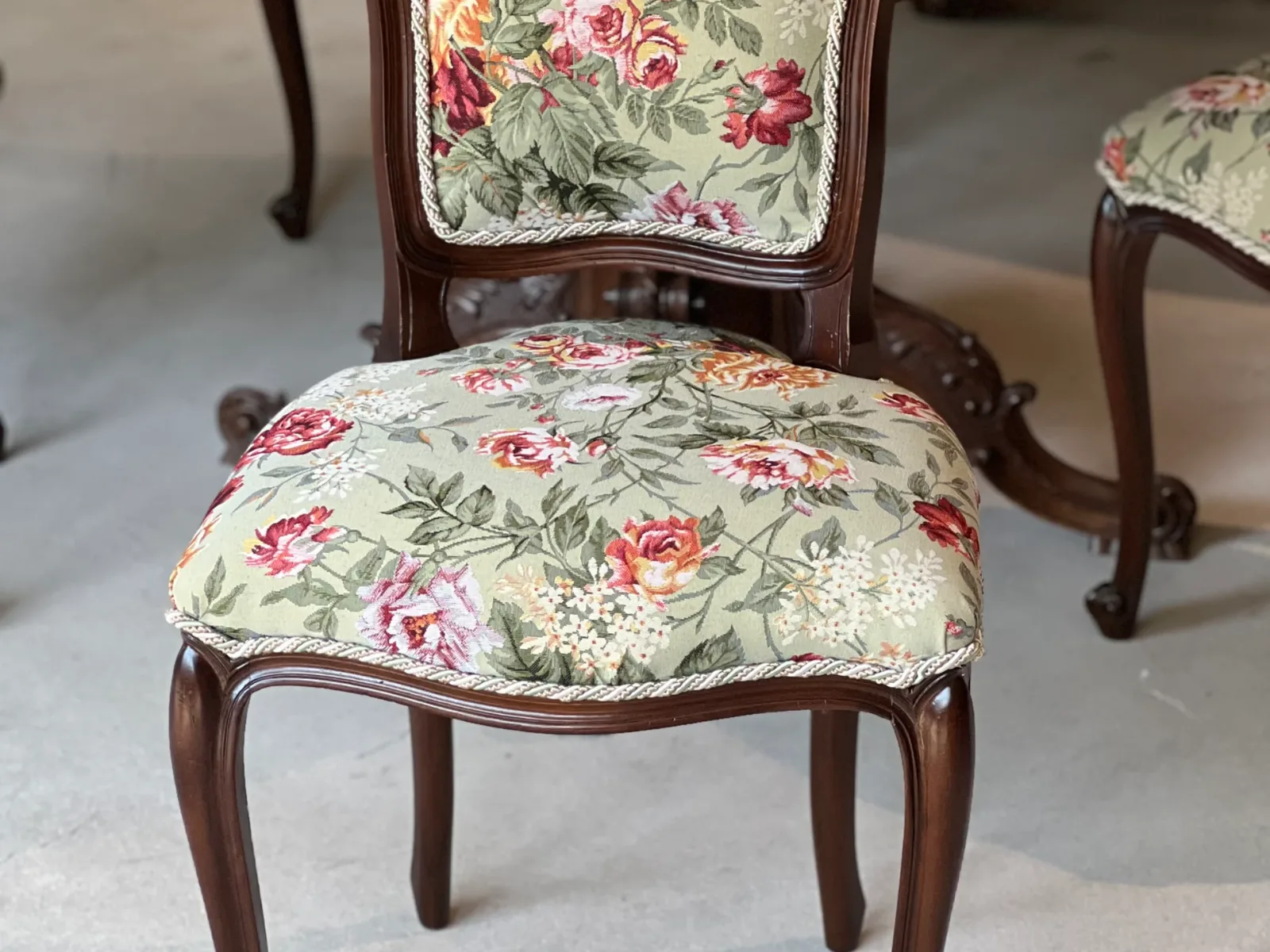
The species chosen for the frame and any visible legs changes both durability and character. Walnut has medium density and a warm, easily recognisable grain, well suited to a living room with aristocratic accents. Oak is harder, with a pronounced grain, often chosen for pieces expected to withstand heavy daily traffic. Beech, properly treated, offers a good balance between weight and stability. If you want to understand the differences in more depth, our guide Walnut, oak, or cherry: how to choose your wood species compares them side by side, while How to recognise quality solid wood helps you tell genuine solid wood apart from veneer or MDF convincingly dressed up as the real thing.
Filling and spring structure: comfort that does not give in
A sofa's comfort comes not from the frame but from what sits above it. A structure of pocket springs or elastic webbing supports weight evenly and does not deform after a few months of daily use. The ideal filling combines high-density foam at the base for support with a layer of down or siliconised fibre on top for softness. A sofa that feels too soft on first touch in a showroom often sags quickly at home; one that feels slightly firmer at first keeps its shape and real comfort over time, even if it seems a touch less inviting at first contact.
Upholstery: velvet, linen, or natural leather
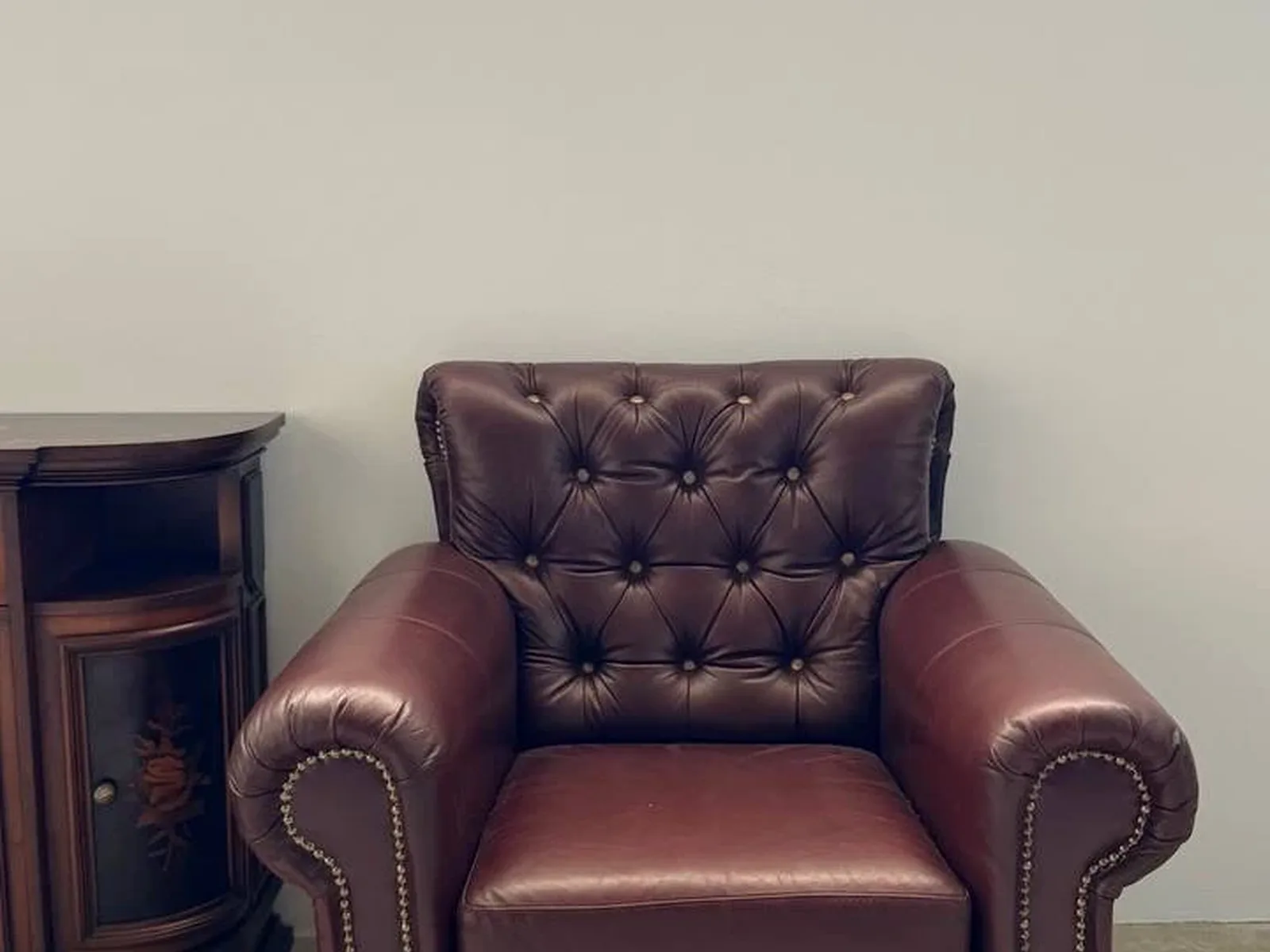
The covering material shapes both how the sofa feels to the touch and how much upkeep it needs day to day. Velvet brings depth of colour and a sumptuous feel, but needs care around direct sunlight and pets with claws. Linen breathes naturally and ages gracefully, with a light natural crease that becomes part of the piece's character over time. Natural leather, in turn, develops a fine patina over the years and holds up remarkably well against the heavy traffic of a family living room. We detailed the differences between these three directions in Premium upholstery: velvet, linen, and natural leather, a useful guide before settling on a final shade and texture.
Sizing and proportions for your living room
A sofa that looks perfect on paper can overwhelm a real living room. The basic rule: leave at least 90 cm of clearance around the sofa and check its relationship with the coffee table — typically a distance of 35 to 45 cm between them. For smaller spaces, a model with slim armrests or a loveseat keeps proportions in check without sacrificing comfort; we wrote about this at length in Small living room layouts: premium furniture for compact spaces. If you want to see how a sofa fits into a fully considered living room, alongside other pieces from the same stylistic family, this layout guide is worth reading too.
From Chesterfield to aristocratic lines: choosing a style
A sofa's style tells almost as much of a story as its materials do. The Chesterfield, with its deep buttoning and rolled arms, remains a benchmark of British elegance that many collectors still seek out today; its full history is told in The history of Chesterfield sofas: a symbol of elegance. For a living room with an aristocratic bearing, clean lines, slender solid wood legs, and understated upholstery in earthy tones work just as well as a piece with a storied pedigree — as long as the execution and materials are on the same level.
How to recognise a truly one-of-a-kind piece
At Martello, we select every sofa carefully, precisely because we know how rare it has become to find solid wood pieces with correctly built structures and durable upholstery. Every sofa in the collection is a one-of-a-kind piece — once sold, it is never repeated in the showroom, which means your living room gains something genuinely hard to find elsewhere. The best way to choose correctly remains sitting on it yourself, feeling the frame and the upholstery with your own hands; we look forward to welcoming you at our showroom in Nimoreni, Ialoveni, just 15 minutes from Chișinău. In the meantime, you can browse every available piece in the Martello catalogue, where every sofa carries its own story and character.