Vintage Furniture or Second-Hand: What the Real Difference Is
You came across a listing on OLX or in a Facebook group: "vintage chest, good condition, good price." Sounds like a deal. But what are you actually buying? A verified piece with a clear background, or an unknown object pulled out of someone's home, with no guarantee beyond the seller's word? At Martello we often meet people who went through exactly this experience — and came to us precisely because the difference between "vintage" and "second-hand" matters more than it first appears.
Why the two words get confused
"Vintage" has, in recent years, become a label slapped on anything older than ten years, regardless of quality. On classifieds platforms, a 1990s chipboard wardrobe sits next to a 1920s solid-walnut chest, both described with the same word. The real difference is not age but curation: someone checked the piece, confirmed the timber and its structural condition, and decided it was worth keeping — or, on the contrary, no one did, and the piece went straight from a storage room into a listing.
What you get (and don't) buying second-hand on your own
Buying directly from an owner, through OLX or a Facebook group, means doing all the work a curator would normally do, yourself: travelling to see the piece, checking with your own eye whether it's solid wood or thin veneer over chipboard, negotiating with a stranger, arranging your own transport, and if something doesn't match the listing, having no way to fix it. The most common risk isn't the price — it's the unknown: woodworm, hidden damp, a weakened structure, or simply a piece the seller has emotionally overpriced.
What "curated vintage" means at Martello
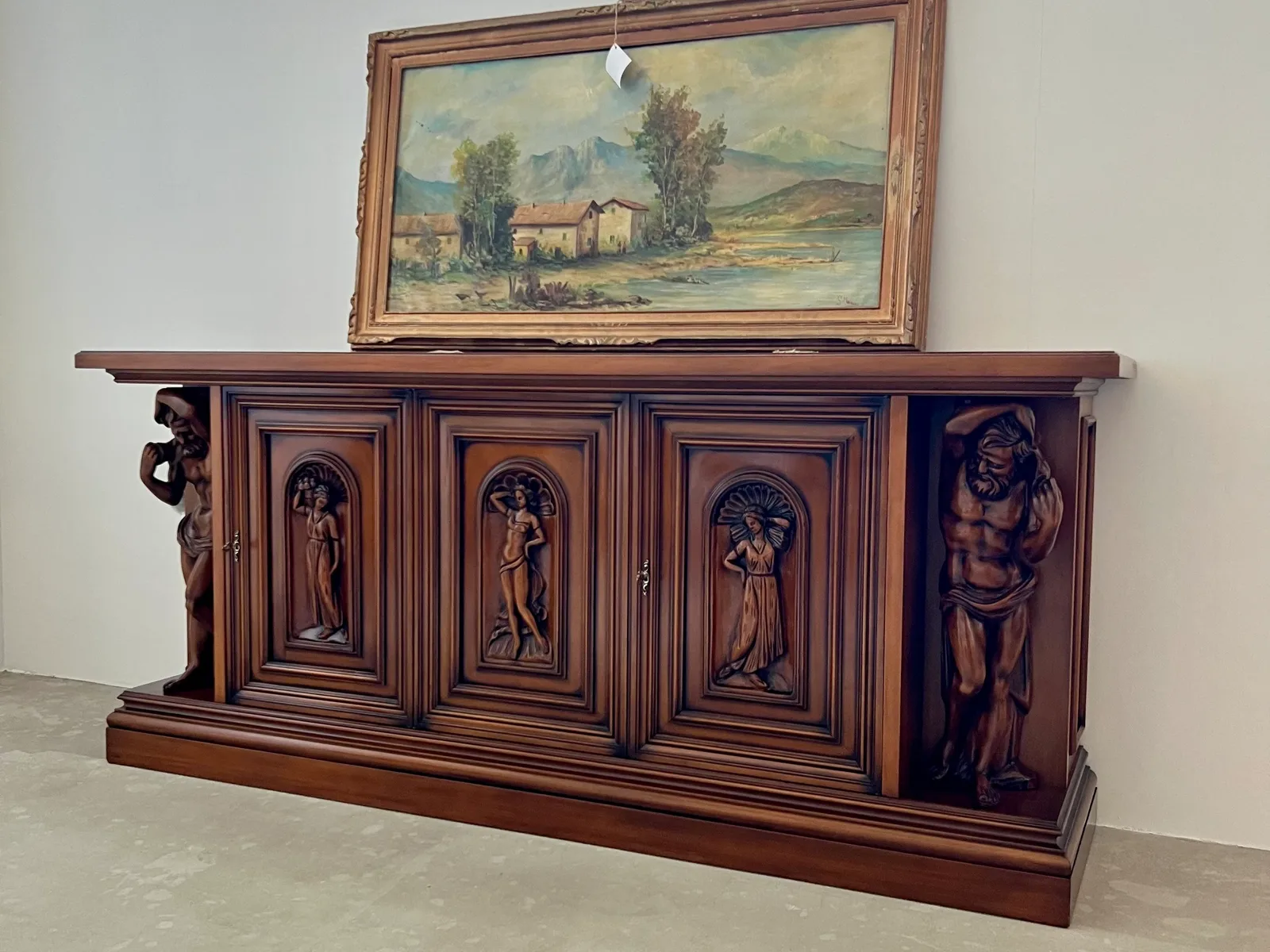
Every piece in the Martello collection goes through a selection before reaching the showroom: we check the timber, the structure, the condition of the joints and the authenticity of the style. We don't buy in bulk and resell everything brought to our door — we choose, exactly as we explained in the guide on common mistakes when buying vintage furniture online. You can see and touch every piece in the Nimoreni showroom, and delivery is part of the conversation from the start, not a problem left on your shoulders.
The price doesn't tell the whole story
A second-hand listing can look cheaper at first glance than a similar piece from our collection. But that price doesn't include verification, a guarantee of the stated condition, transport, or the time lost on trips and negotiations that sometimes lead nowhere. And if the piece turns out to be veneered chipboard rather than solid wood — which happens often — the initial saving disappears quickly. We wrote about exactly this in how to tell from photos whether a piece is solid wood, a useful guide no matter where you buy.
How to recognise a genuinely curated piece
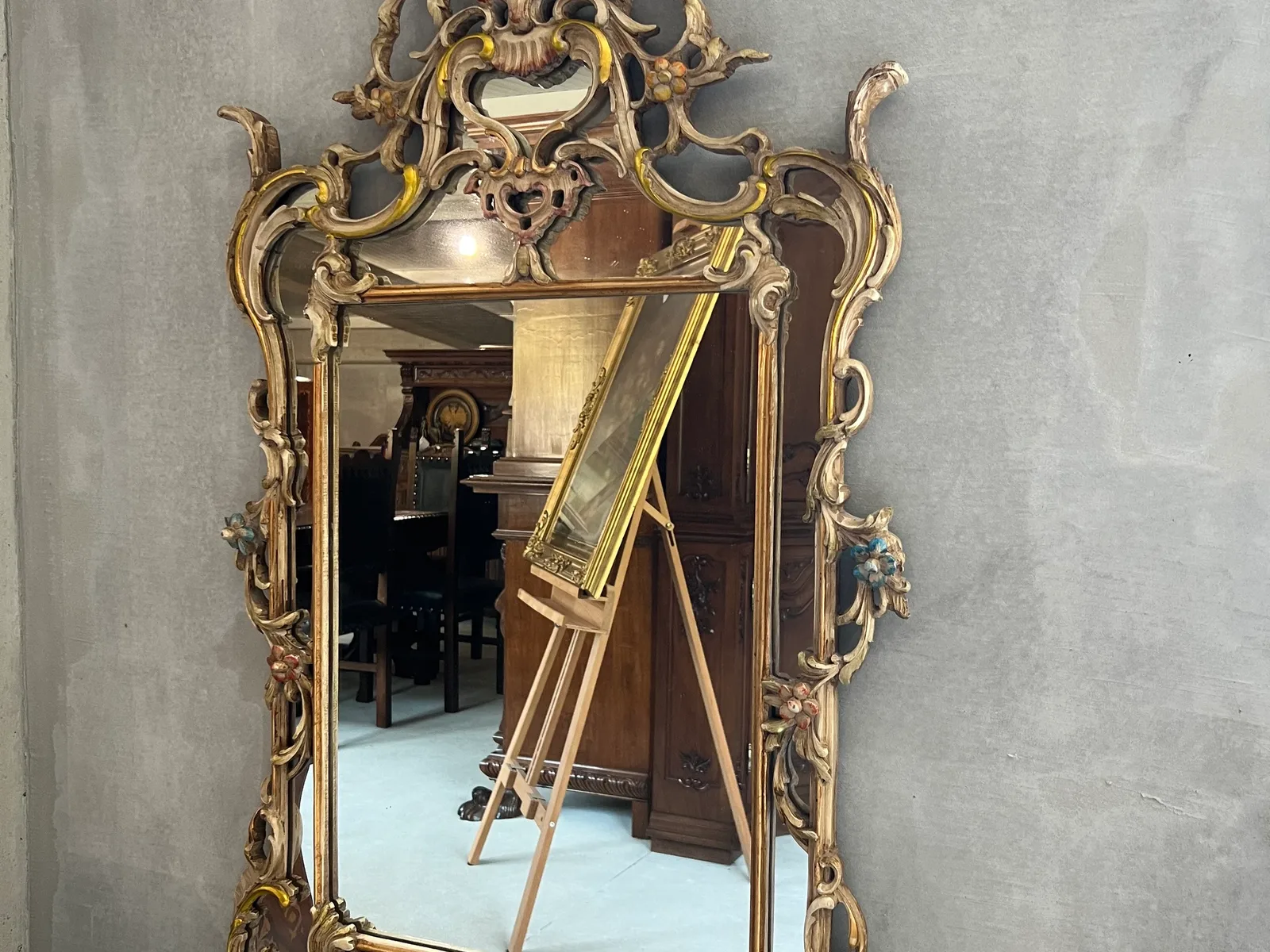
The signs are simple once you know what to look for: the piece has an explained story and provenance, not just a price; the seller can answer questions about the timber, restorations and structural condition; there's a physical showroom where you can see it, not just hastily taken photos; and delivery and any guarantees are part of the conversation, not a problem left entirely to the buyer. If you want to go further, into documents and documented provenance, we have a dedicated guide on the guarantee and provenance documents of one-of-a-kind furniture.
How to choose at Martello, across Moldova and Romania
We are not a classifieds platform and we don't sell everything brought to our door. Every piece in the Martello collection in the catalogue was selected, checked and evaluated before reaching the showroom in Nimoreni, Ialoveni, fifteen minutes from Chișinău. If you want to see the difference for yourself, explore the Martello vintage furniture section — and see why a curated piece is incomparable to an unknown listing.