Solid-Wood Picture Frames: How to Choose the Right One
The frame is the last thing most people think about when buying a painting, and yet it's what makes the difference between a piece that "gets lost" on the wall and one that stops you in your tracks. A solid-wood frame, carved or plain, gilded or natural, doesn't just protect the painting — it gives it context and visual weight. Here's how to choose.
The frame should speak to the room, not just the painting
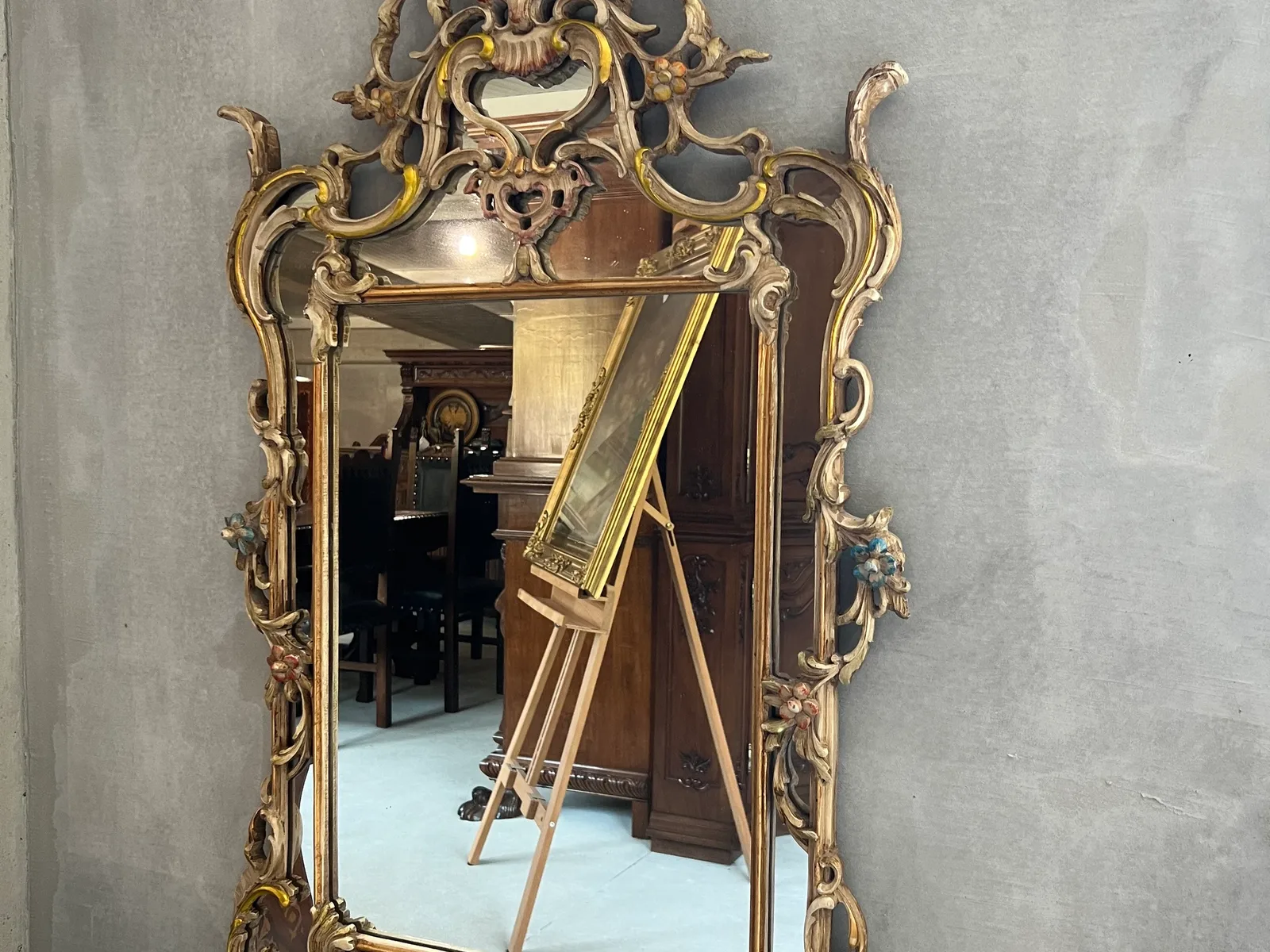
The first rule, often overlooked: a frame isn't chosen in isolation, but in dialogue with the rest of the furniture in the room. A dense, carved gold frame sits naturally next to pieces in Baroque or classical style, but can overwhelm an already minimalist living room. Conversely, a simple natural-wood frame with a narrow profile lets a painting breathe in a room already rich in detail.
Frame thickness and profile, based on the painting's size
The general rule: the larger the painting, the thicker and more prominent the frame can be, without risking overwhelming the composition. For small paintings, a frame that's too thick "swallows" the image — a thin, one-to-two-centimetre profile keeps the proportion. For large pieces, a four-to-five-centimetre frame with a carved profile visually anchors the painting on the wall.
Solid wood vs. plastic or foil-covered MDF frames
Just as with furniture, the difference between a solid-wood frame and one made of foil-covered MDF shows up over time: solid wood can be touched up, repainted, or regilded years later, while the foil on MDF peels irreversibly, especially in areas with fluctuating humidity. The same signs you look for in furniture — weight, continuous grain around corners — apply to frames too, a topic we cover in our guide on veneer versus solid wood.
Frame colour: gold, natural wood, or painted
Classic, patinated gold works almost universally with old paintings or classical subjects. Natural wood, in walnut or oak tones, suits contemporary paintings better, or interiors where you want the frame to blend in discreetly rather than dominate. A painted frame, in dark or even bold colours, can become a decorative element in its own right, especially for modern pieces.
How many different frames you can combine in one room
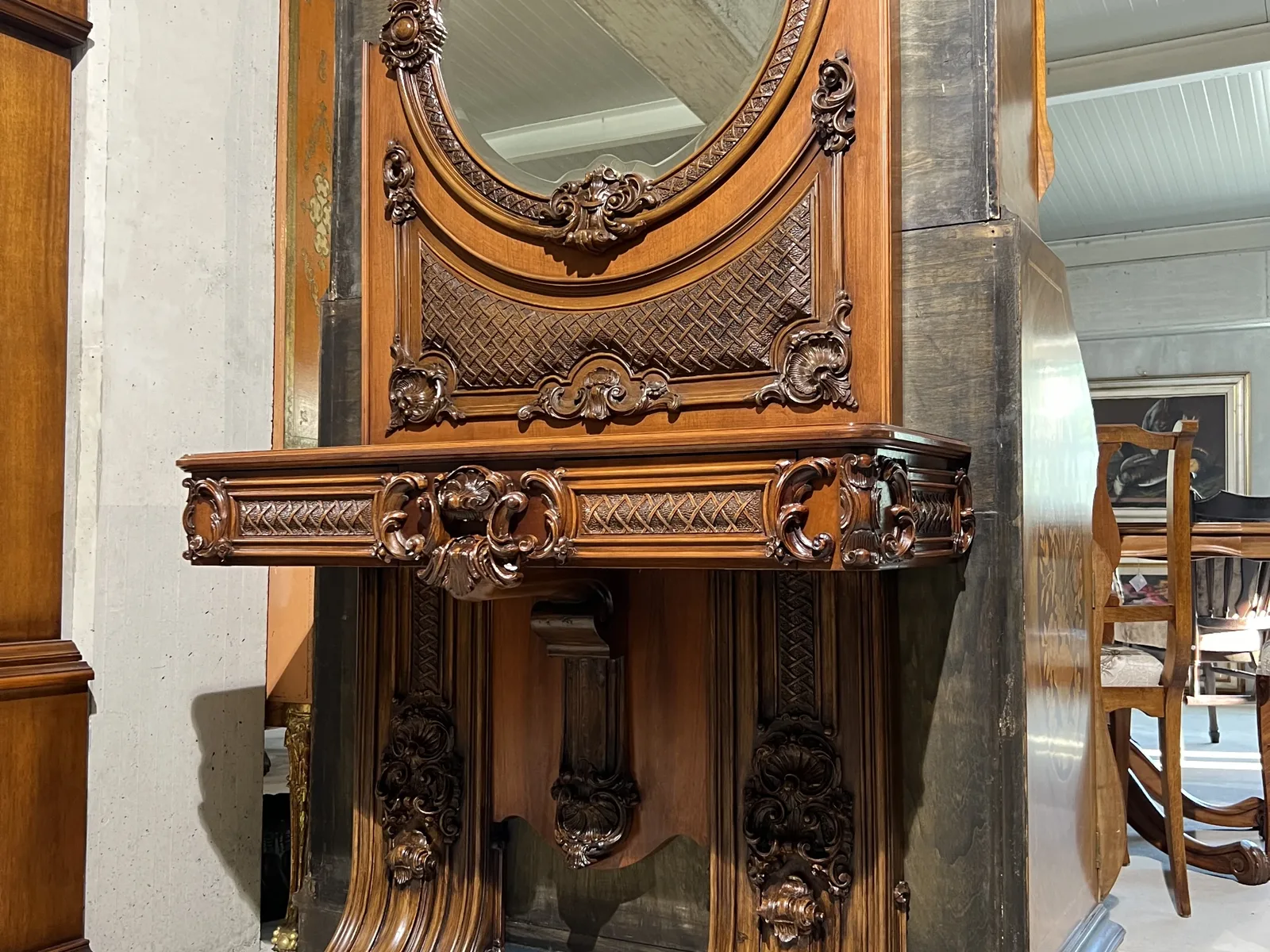
Not all frames in a room need to match — in fact, a thoughtful mix of two or three frame types (say, classic gold and natural wood) creates depth, as long as you keep a coherent colour palette. If you're planning several paintings on the same wall, it's worth reading our dedicated guide on how to arrange a gallery wall.
Where to find authentic frames and paintings at Martello
In our paintings section, every piece comes with its original solid-wood frame, checked for authenticity and condition. You can see them at our showroom in Nimoreni, Ialoveni, fifteen minutes from Chișinău, or browse the full Martello catalogue online. A well-chosen frame doesn't just frame a painting — it frames the whole room around it.