How Much Does Authentic Vintage Furniture Cost
It's the most natural question, and often the hardest to answer clearly: why can two similar-looking pieces have completely different prices? The answer isn't about size or how "old" a piece looks at first glance, but four concrete, verifiable factors, which we break down below, so you know exactly what you're paying for when buying vintage furniture.
Material: solid wood vs. thin veneer
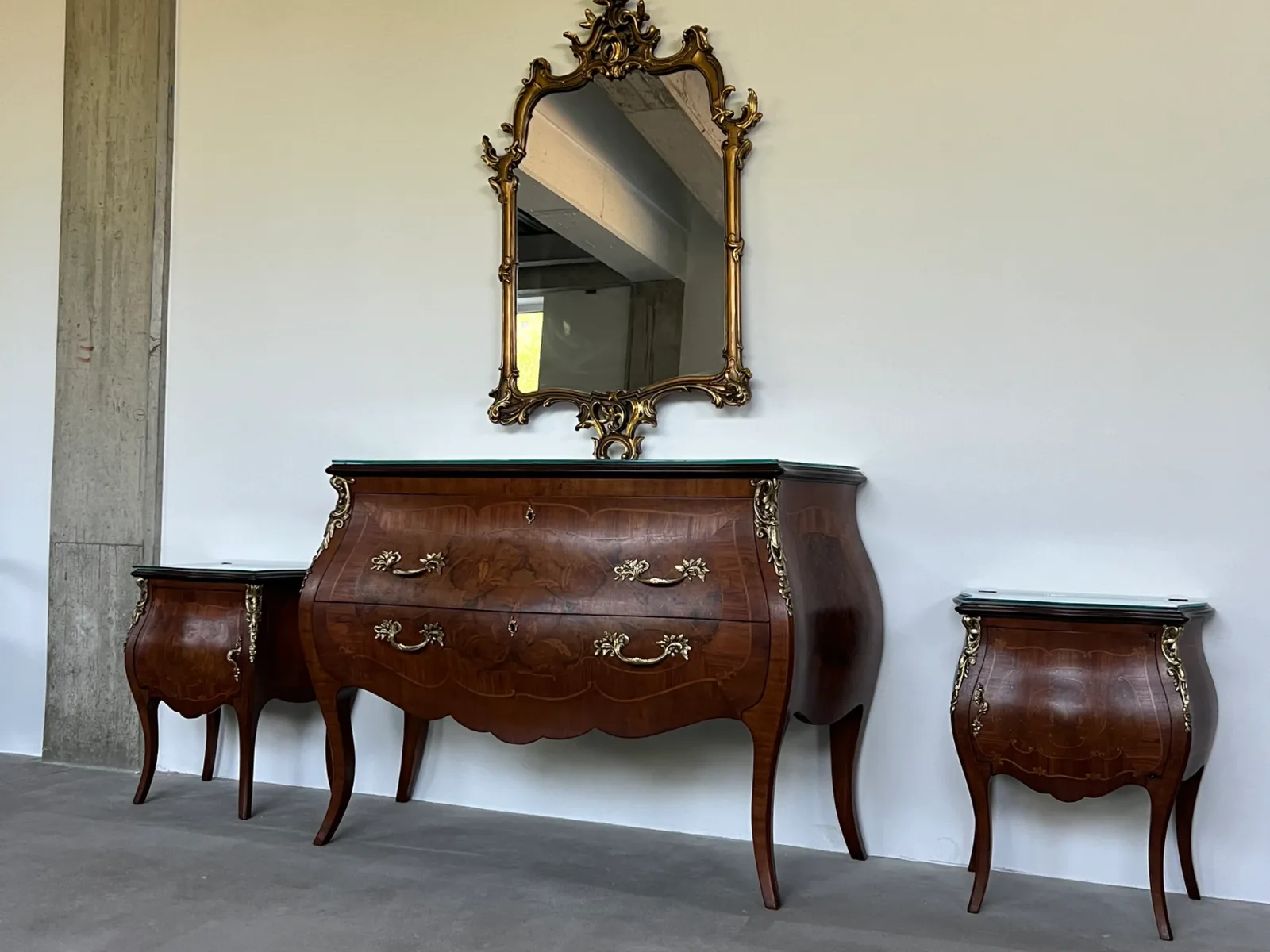
The price gap between a piece in genuine solid wood and one veneered over a cheap core can be several times over, even when they look identical at first glance. We explained in detail how to tell them apart in our guide to veneer and solid wood — but in short: solid wood costs more because it lasts generations, not years.
Age and rarity, not just a "vintage" look
A genuinely old piece, from a recognized period or workshop, is worth more than a new one made to look vintage. Rarity matters just as much: a model produced in a small run, or an uncommon carving detail, raises the price more than age alone. The difference between a one-of-a-kind piece and a mass-produced one shows up exactly here.
Condition and preservation
An old piece, correctly restored, with its original structure intact and only the finish refreshed, is worth more than an unrepaired one with structural problems hidden under a fresh coat of varnish. Aggressive restoration that replaces too many original elements can actually lower an authentic piece's value — less "original" almost always means less real value.
Provenance and documentation
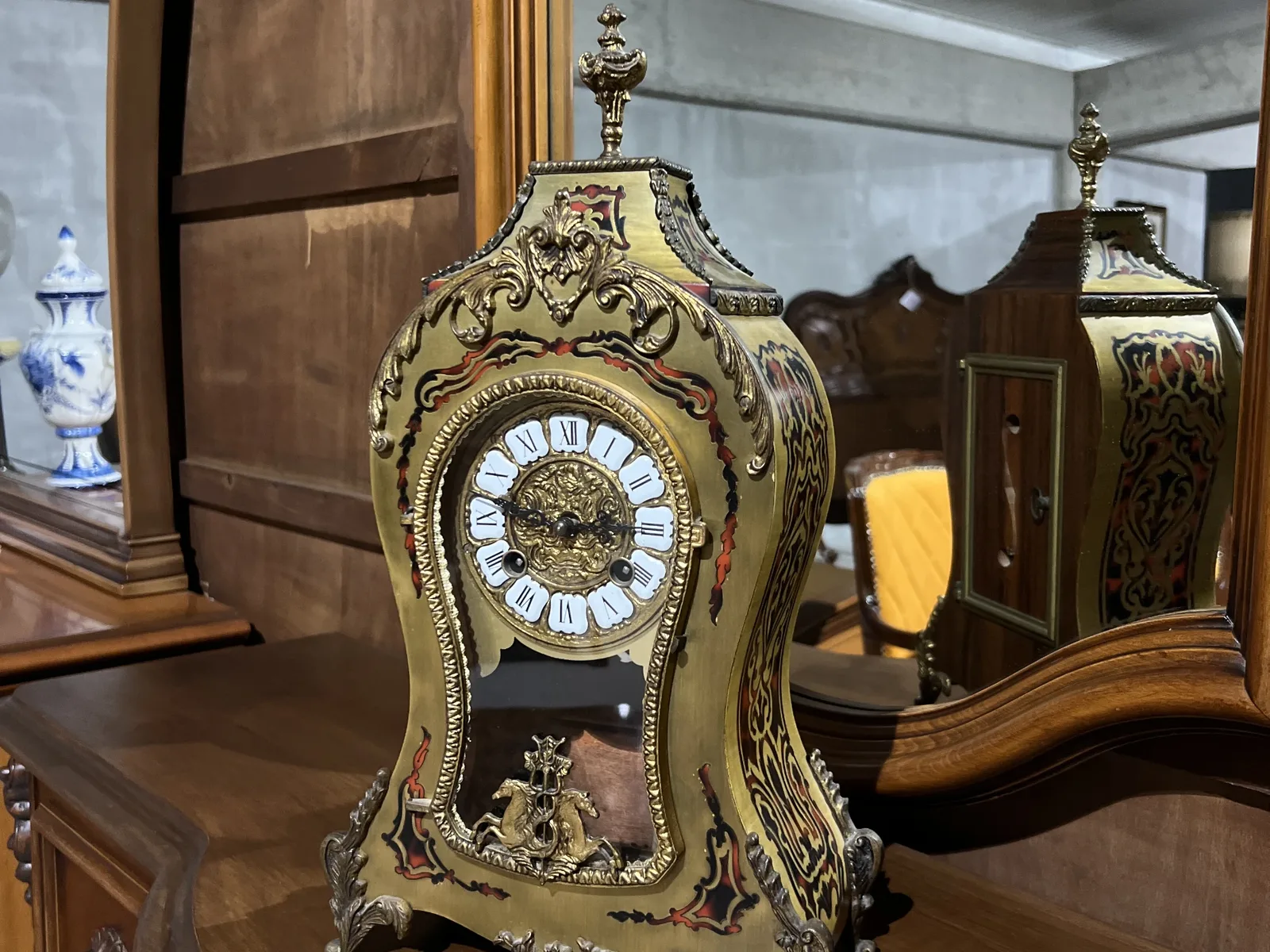
A piece with a documented history — where it came from, whose hands it passed through, what repairs it underwent — consistently sells for more than an identical one with no trace of provenance. We covered exactly which documents genuinely matter in our guide to warranty and provenance documents. It's the difference between buying a piece and buying a verifiable story.
How we set prices at Martello, in Moldova and Romania
Every piece in the Martello catalogue is personally assessed by us against these four criteria, not just its overall look. You can see and check them directly at our showroom in Nimoreni, Ialoveni, fifteen minutes from Chișinău, or browse the vintage furniture section. Knowing exactly what sets a piece's price, you buy with confidence, not just on how it looks in a photo.