The Sicilian Vase and Decorative Accents: The Small Details That Make a Home
You can own a flawless sofa, a solid-wood table and exactly the right rug, and yet the room can still feel unfinished. The culprit is almost always the same: the accents are missing. Decorative objects are the finishing touch of a home, the signature that turns a correct space into a living one. And of all accents, few carry the force of a genuinely beautiful vase, such as the emblematic Sicilian vase. In this guide we show you why the details matter, how to style vases and accents with taste, and how to recognise quality that is worth it.
Why decorative accents make the difference
Furniture gives a room its structure, but character comes from the small objects: the vase on the console, the candlestick on the mantel, the ceramic bowl on the coffee table. They are the equivalent of jewellery to a polished outfit. Without them, a room stays correct but cold. With them, you get that feeling of a home lived in with taste, where every corner says something. The secret of the aristocratic aesthetic lies not in opulence but exactly here: in a few carefully chosen pieces that carry a story and an authentic patina. If you want to explore the philosophy behind this look, we wrote about it at length in our article on the aristocratic style in interior design.
The Sicilian vase: a legend cast in ceramic
The Sicilian vase, best known in the form of the famous Teste di Moro, is not a mere ornament but a fragment of Mediterranean history. These head-shaped vases, depicting the faces of a man and a woman, originate in a medieval legend from Palermo and have become the symbol of multicultural Sicily. They have been produced for centuries in Caltagirone, the town in the province of Catania recognised as the home of Sicilian maiolica, a tradition inscribed in cultural heritage. Each piece is modelled and painted by hand in Sicilian workshops, with glazes that give those vivid, unmistakable colours. It is no accident that fashion houses such as Dolce & Gabbana have drawn inspiration from these forms, carrying Sicilian aesthetics around the world. Such a vase instantly brings Mediterranean warmth, colour and a note of artistic refinement into a room.
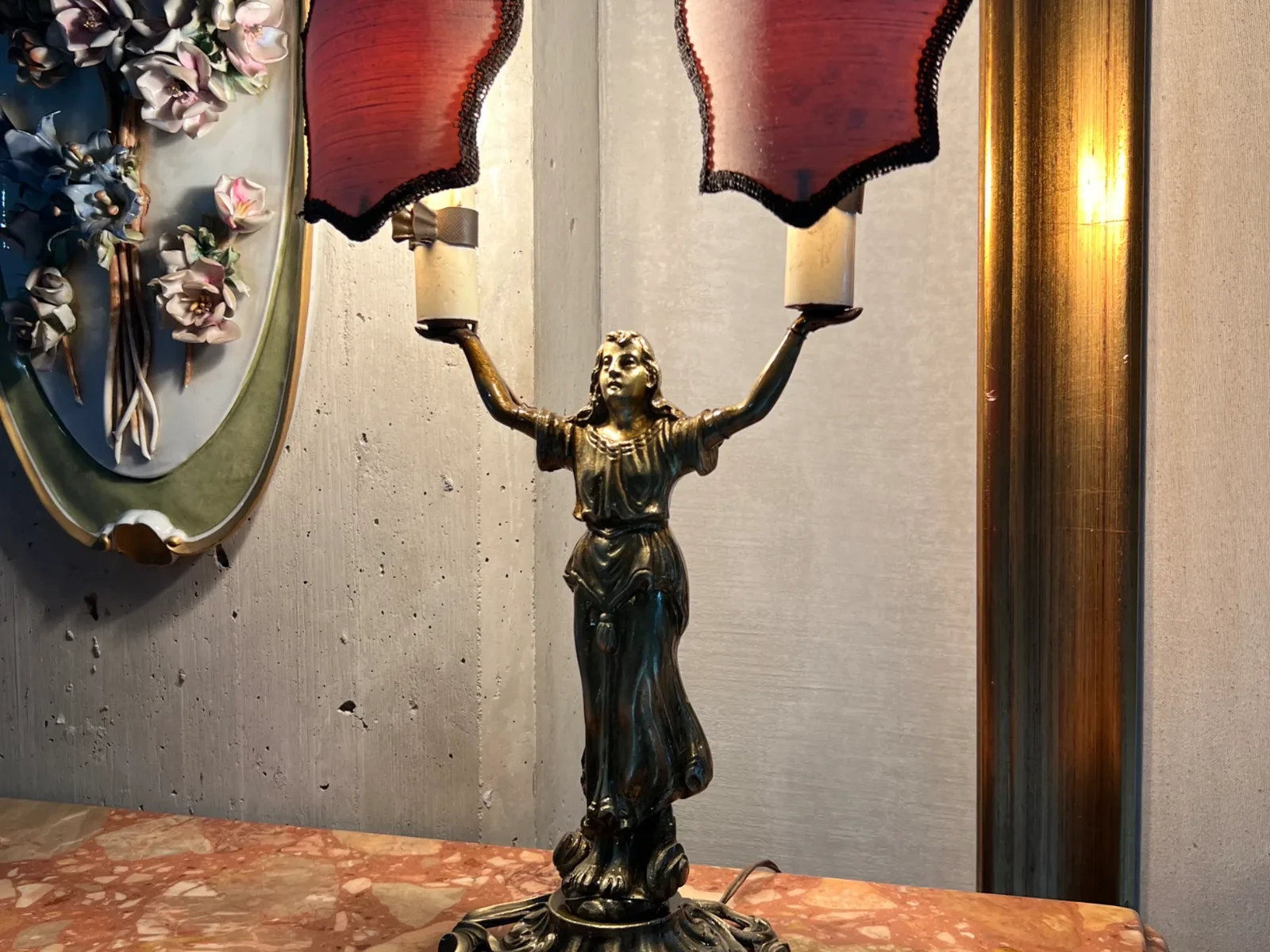
The rule of three: how to group accents with taste
The most common designer trick is the rule of three: the human eye reads odd-numbered groupings as more natural and balanced. Do not place objects in pairs, symmetrical and predictable, but in groups of three or five. The golden rule of such a composition: the pieces should differ in height and shape but share a common element, either the material or the colour palette. A tall vase, a low object and something textured, a stack of art books for instance, create a dynamic yet unified vignette. Mix materials: ceramic beside wood, glass beside metal, a sprig of greenery to soften it all. The contrast makes each piece stand out, while the odd number ties the whole together. Another useful principle is the visual triangle: arrange the high points of the composition so the eye moves naturally between them, from the tallest piece down to the lower ones, without stopping abruptly. Leave a little air around the group too — empty space sets off each object just as much as the object itself.
Colour: accent or harmony
A vase can play two opposite roles, and both are right. In a room already rich in colour, choose a piece close to the tone of the walls or the furniture, to calm the composition. In a neutral, quiet space, let the vase be exactly the pop of colour that wakes the room up. Sicilian vases, with their cobalt blues, emerald greens and citrus yellows, work superbly as an accent in a restrained interior of cream, walnut and sage tones. To build a coherent palette around such accents, we recommend our guide to the aristocratic colour palette.
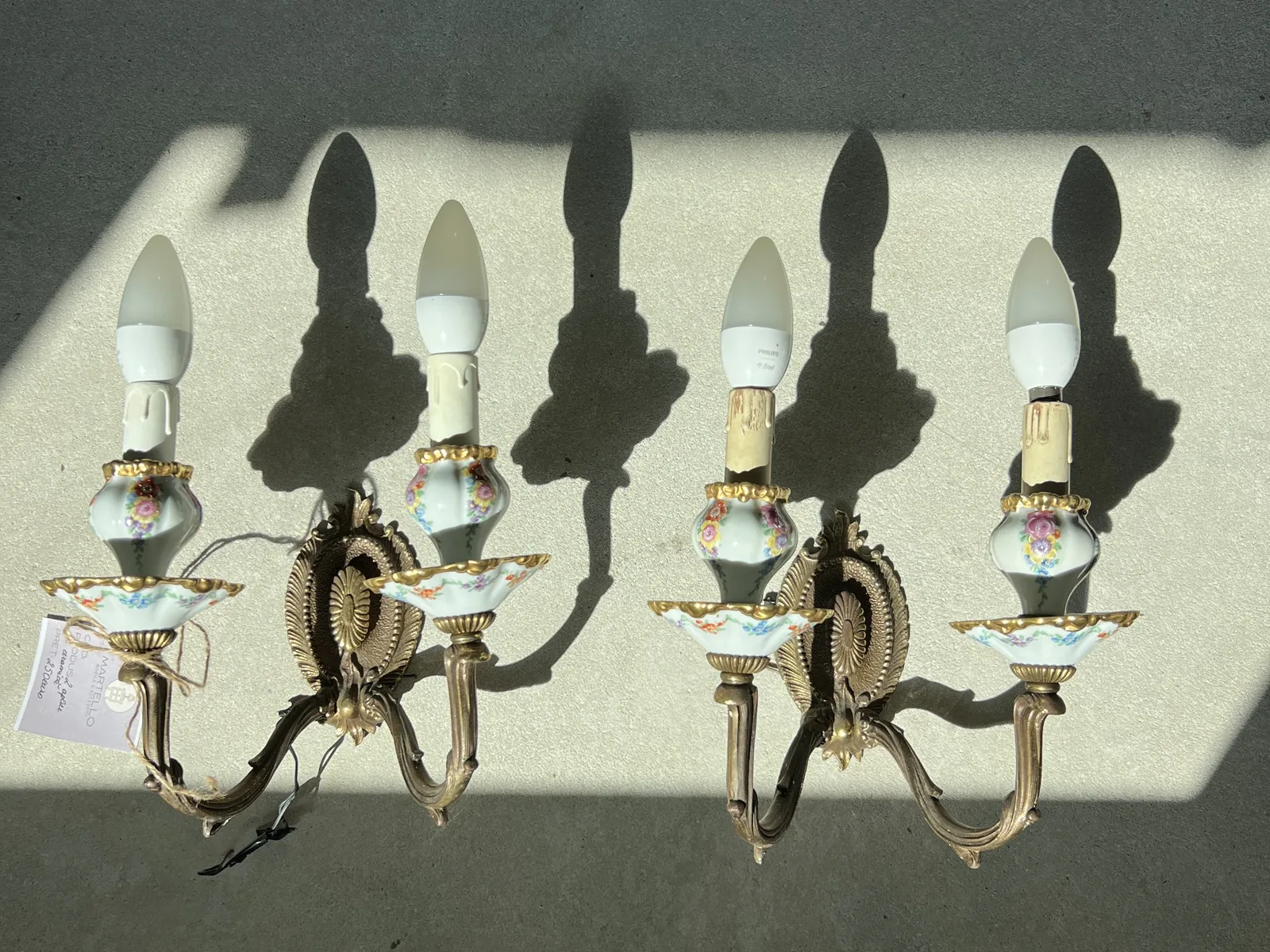
Where to place accents and how to light them
Horizontal surfaces are the natural stage for decorative accents: the coffee-table top, the hallway console, the mantelpiece, the bookshelves. A marble-topped coffee table becomes, for example, the perfect pedestal for a carefully curated vase. Do not forget light either: a beautiful vase left in shadow loses half its charm. A warm bedside lamp or a discreet spotlight turns it, in the evening, into a small work of art. And if you display precious pieces in a cabinet, mind the balance between full and empty; we wrote about how to style such a piece in our article on the vintage display cabinet and what to show in it with taste.
How to recognise quality and why unique pieces are worth it
A quality vase is felt in the hand: it has weight, a uniform and deep glaze, a precise design with no drips or careless edges. Good ceramic ages beautifully, unlike mass-produced copies that fade and chip. This is precisely the essential difference we cultivate at Martello: we select unique pieces, objects with rarity and character, not anonymous shelf production. A unique piece, once sold, is never repeated, and that is exactly what gives it the value a collector looks for. We explored this difference in detail in our article on a unique piece versus mass-produced furniture.
In the Martello showroom in Nimoreni, Ialoveni, just 15 minutes from Chișinău, you will find vases, accents and decorative objects chosen with a curator's eye, alongside premium furniture for clients across Moldova and Romania. Explore the entire Martello collection or discover the pieces for the living room, the space where decorative accents shine brightest. The small details, chosen with taste, are what make a house a home in the end.