Walk-in Closet in Solid Wood: A Guide to a Room That Lasts Generations
The difference between an ordinary wardrobe and a walk-in closet is not only about space, but about attitude. A wardrobe hides clothes in a corner of the bedroom; a walk-in closet turns them into a ritual — a small dedicated room where every garment, accessory, and pair of shoes has its place. For homes in Chișinău and across Moldova and Romania where the floor plan allows for such an investment, a solid wood walk-in closet remains one of the wisest furnishing decisions: not a passing trend, but a piece of interior architecture that gains character with every year.
What a Walk-in Closet Really Means
A walk-in closet is a separate space — either a small room adjoining the bedroom or a generous corner divided off by a partition or a doorless cabinet system conceived as a personal gallery. Unlike a classic wardrobe, a walk-in closet is meant to be walked through: you step in, move between shelves and rails, choose your clothes in good light, in quiet. This physical experience is exactly why walk-in closets remain sought after in premium family homes — they give time and space to an everyday gesture that would otherwise be rushed.
How Much Space You Need and How to Plan It
The basic rule for a functional walk-in closet is a minimum clearance of 90-100 cm between modules, so drawers and shelves can be opened without strain. A U-shaped or L-shaped layout makes efficient use of corners, while a linear, single-wall layout suits smaller rooms or former storage spaces. Before choosing the furniture itself, it is worth taking a realistic inventory: how many long garments, how much space for folded items, how many pairs of shoes, where accessories and jewellery will live. A closet designed around a family's real needs, rather than a generic template, is the one that stays functional for years.
Smart Zoning: Shelves, Rails and Drawers
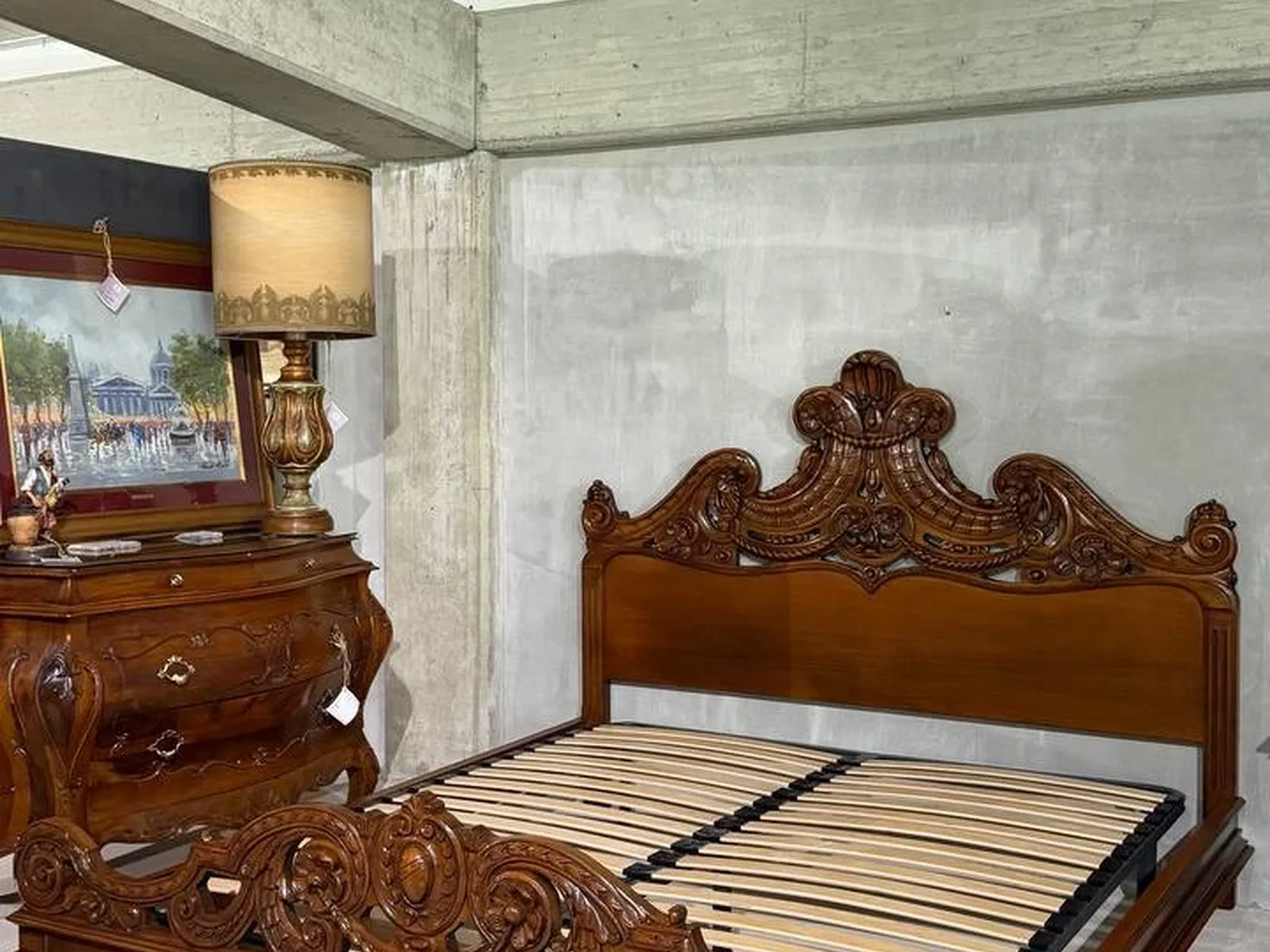
A well-zoned walk-in closet combines three types of space: rails for hanging clothes, at two heights where room allows; open shelving or drawers for folded items, knitwear and linens; and dedicated shoe modules, sometimes angled for better visibility. Drawers on smooth, soft-close runners make the difference between a closet that is a pleasure to use daily and one that becomes tiresome over time. Solid wood, unlike particleboard or MDF, supports the weight of clothing and full drawers year after year without warping — a technical argument, not just an aesthetic one, for choosing it.
Choosing the Right Wood Species for a Durable Closet
The choice of wood species shapes both the look and the longevity of the closet. Walnut brings a warm, chocolate tone well suited to bedrooms with an aristocratic sensibility; oak is lighter, with a pronounced grain and excellent hardness for heavily used pieces; cherry ages beautifully, deepening in tone over time. If you are just starting to choose your material, our comparison of walnut, oak and cherry can help you match the species to the rest of the bedroom. And since not everything labelled solid wood truly is, it helps to know how to recognise genuine quality solid wood before you invest.
The Lighting That Changes Everything
A walk-in closet without good lighting remains a beautiful but impractical cabinet. Natural light, where a window exists, should be complemented by warm artificial lighting of at least 3000K, positioned to remove shadows from your face at the mirror and from the shelves. Discreet LED strips mounted inside shelving or beneath modules light exactly the working area, without visible fixtures. A truly refined closet deserves to be treated like any other room in the house: with layers of light, not a single central bulb. Our guide to refined ambient lighting explains the principle of layered light, equally applicable here.
One-of-a-kind Pieces That Elevate a Closet from Functional to Memorable
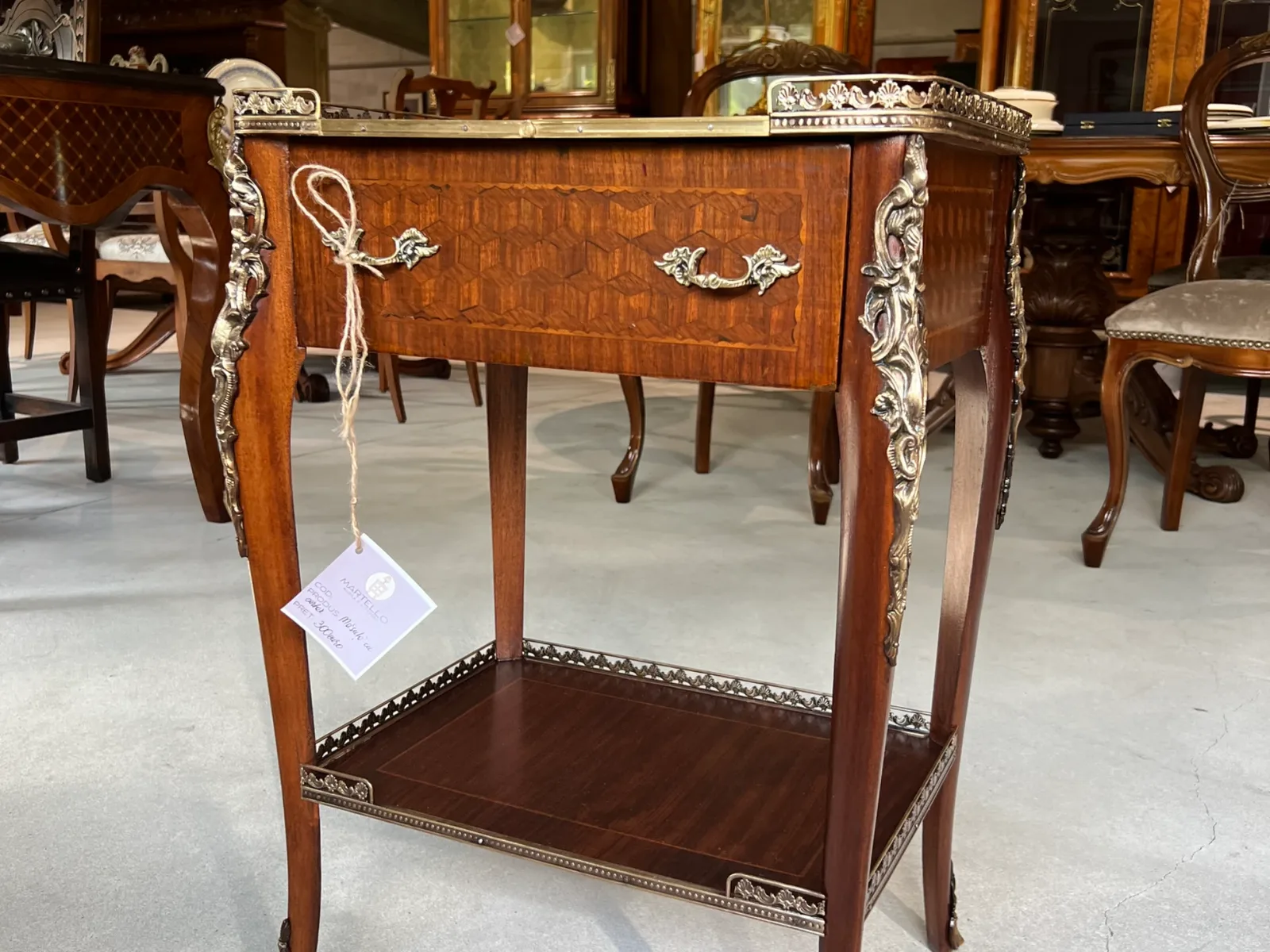
A walk-in closet truly comes into its own when it is not just storage, but a small aesthetic ritual. A generous mirror framed in solid wood, an upholstered stool for putting on shoes, a chest with a crafted top for jewellery and accessories — these are the pieces that turn a wardrobe room into a personal space. Within our bedroom furniture collection, we consistently curate one-of-a-kind pieces of exactly this kind: each one selected for its character, and once sold, never repeated in the showroom. To understand why this rarity matters, our piece on the difference between a one-of-a-kind piece and mass-produced furniture is worth reading before any furnishing decision.
Caring for a Solid Wood Walk-in Closet
Solid wood in a closet needs little, but consistent, care: a stable relative humidity in the room (ideally 40-60%), periodic wiping with a soft, dry cloth, and avoiding prolonged direct sunlight, which can bleach surfaces unevenly. Once or twice a year, a light feeding with wax or a wood-specific oil preserves the natural sheen and prevents the fibre from drying out. The investment in a solid wood walk-in closet pays off precisely through this durability — a well cared-for piece looks just as good, sometimes better, ten to fifteen years on.
If you are considering a walk-in closet for your home, the simplest starting point is seeing the pieces in person. The Martello showroom in Nimoreni, Ialoveni, just 15 minutes from Chișinău, permanently displays solid wood bedroom modules and pieces you can touch and evaluate before deciding. You can also browse the full Martello catalogue online to get a sense of the species, shapes and pieces currently available — knowing that every piece in the collection is unique and, once chosen by someone else, will not return to the offering.