A solid wood table isn't cleaned like an ordinary object — it's cared for like an heirloom
A solid wood table is never just a slab on four legs. It's the piece around which people gather, where Christmas dinner unfolds, where children do their homework, and where long Sunday conversations happen. Unlike furniture made from particleboard or veneered MDF, solid wood breathes, subtly shifts in tone over the years, and, when cared for properly, grows more beautiful rather than more worn. The good news is that its upkeep doesn't require elaborate rituals, just a handful of simple habits repeated consistently. The even better news: a solid wood table, chosen carefully, is built to last generations — exactly the kind of investment Martello looks for in every piece of its collection.
Everyday cleaning: simple, but consistent
For daily use, a soft, slightly damp cloth is all you need. Wipe up any spilled liquid immediately — wine, coffee, or acidic sauces can seep into the wood if left too long on the surface, especially if the finish is a natural oil or wax rather than lacquer. Avoid abrasive sponges, concentrated dish detergents, or ammonia-based products, as they damage the finish and, over time, dry out the wood fibers. After wiping with water, dry immediately with a clean cloth — standing moisture is solid wood's greatest enemy, more damaging than a scratch.
Periodic nourishment: the feeding the wood needs
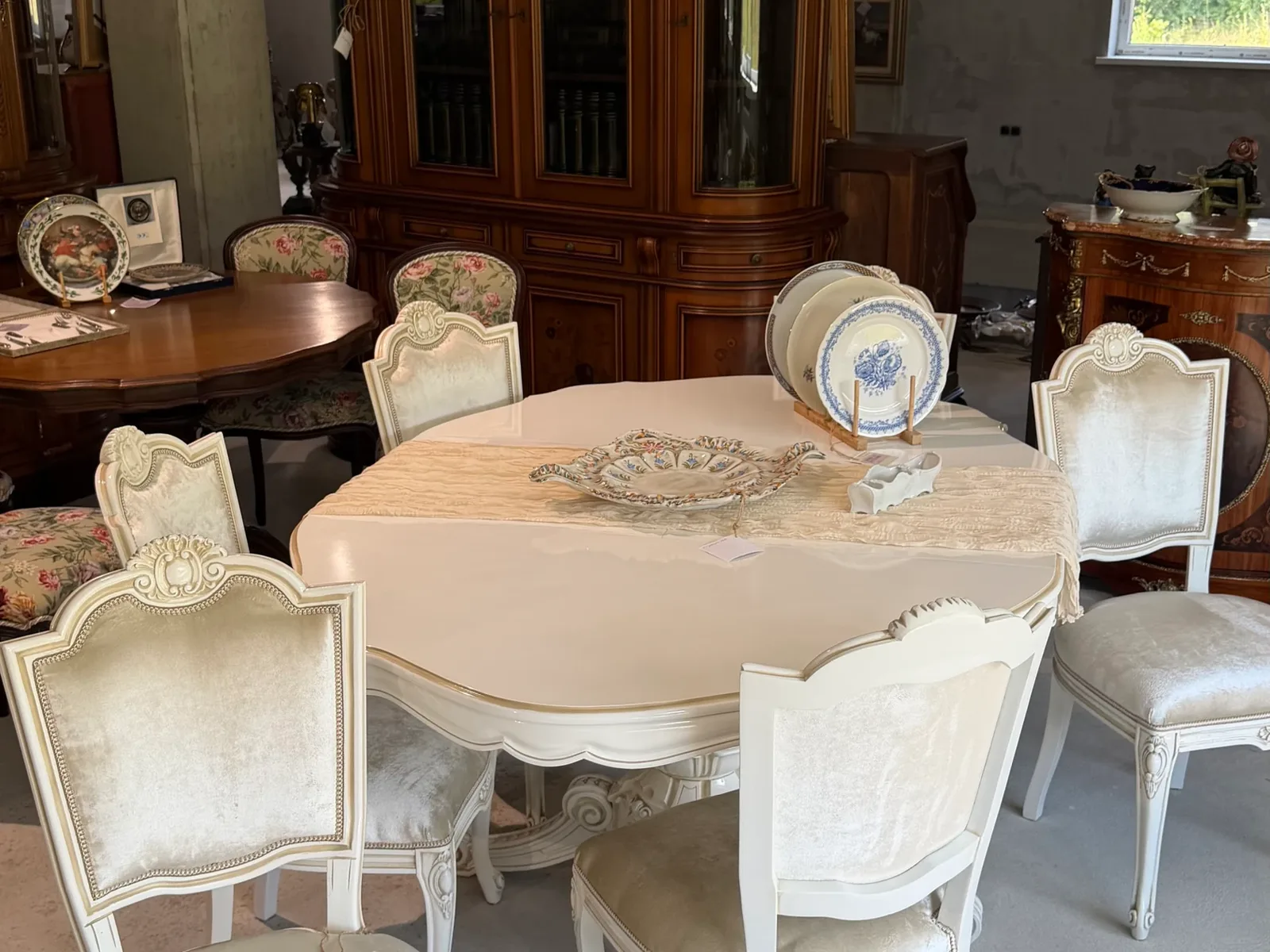
Just as skin needs a moisturizer, solid wood needs periodic nourishment, especially if the finish is a natural oil rather than lacquer. Every two to three months, apply a dedicated wood-furniture oil (tung oil, boiled linseed oil, or a ready-made furniture oil from any hardware store) with a clean cloth, following the grain, in a thin layer. Let it soak in for 15-20 minutes, then wipe away the excess. For tables with a lacquered finish, this kind of nourishment isn't required in the same way, but a maintenance wax applied twice a year preserves the shine and prevents small surface scratches.
Daily protection: heat, light, and humidity
Three quiet enemies affect every solid wood table, regardless of species. Direct heat — from hot dishes, lamps, or radiators placed too close — dries the wood locally and can create fine cracks or unevenness. Direct sunlight, sustained over years, fades the surface unevenly, particularly on lighter-toned species. Excessive humidity, or conversely overly dry air in centrally heated rooms, can cause wood to expand or contract, sometimes visibly at the joints. The solution is simple: use heat-insulating pads under dishes and mugs, avoid placing the table flush against a south-facing window, and keep indoor humidity balanced — ideally with a humidifier in winter, when radiators aggressively dry the air.
The mistakes that shorten a beautiful table's life
The most common mistakes come not from neglect but from bad information. Using all-purpose cleaners with silicone or strong fragrances leaves a film that blocks the wood's breathing and, over time, yellows the finish. Wiping with rough paper towels can scratch delicate surfaces, particularly matte lacquers. And dragging the table across the floor instead of lifting it puts unnecessary stress on the leg joints — precisely where a piece crafted decades ago most visibly shows its age. If you notice a small scratch, oil applied locally along the grain can nearly conceal it without professional intervention.
Wood species matters for your care routine
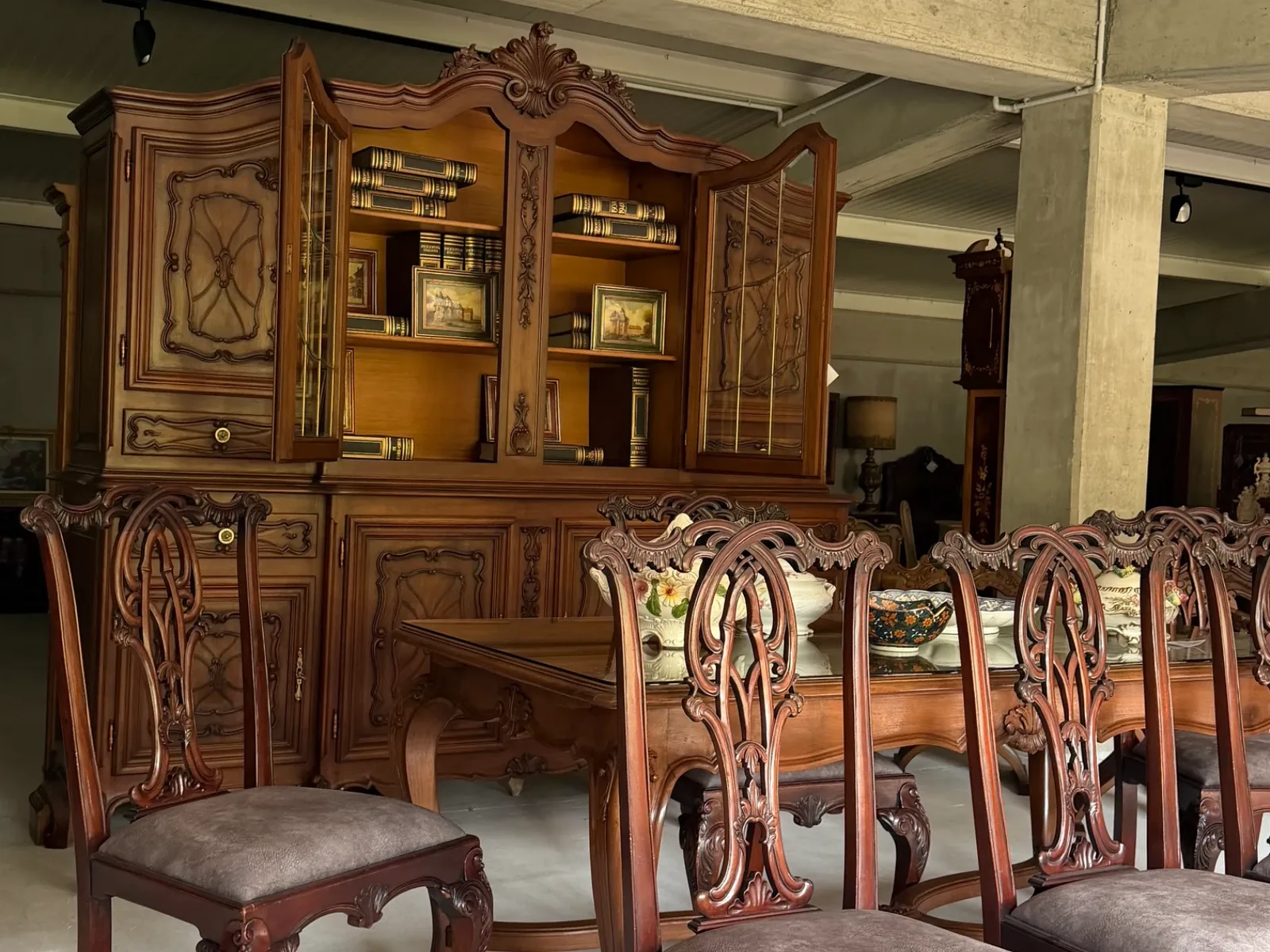
Not every solid wood table is cared for identically. Oak, dense and visibly grained, tolerates temperature swings well but absorbs liquids more readily once the finish wears thin. Walnut, with its warm tones and fine grain, is more sensitive to direct light, which can shift its characteristic hue. Cherry, elegant and developing a distinctive patina over time, needs more frequent nourishing to keep its natural glow. If you're unsure which species you have at home, or want to understand the differences before buying, we've covered it in detail in our guide to walnut, oak, or cherry — how to choose your wood species, and to tell genuine solid wood from imitations, we also recommend the complete guide to recognizing quality solid wood.
Why the effort is worth it: a one-of-a-kind piece holds its value
At Martello, every table in the collection is a one-of-a-kind piece, selected for its character, provenance, and quality of craftsmanship — the kind of furniture that, when properly cared for, doesn't just endure but grows more valuable both sentimentally and aesthetically. A well-maintained table can pass through three generations of the same family, carrying the marks of every celebration held around it. If you're searching for an oval or round dining table, our guide on how to choose the right table shape for your dining room can help, and for full styling inspiration, see our article on the perfect dining table for festive meals. The same care principles, incidentally, apply to every other solid wood piece in your home — we've gathered them at length in our owner's guide to caring for vintage wood furniture.
See and choose the right piece in our showroom
If you'd like to see and touch the wood before deciding, we welcome you at the Martello showroom in Nimoreni, Ialoveni, just 15 minutes from Chișinău, where you can compare species, finishes, and dimensions in person. Browse the full selection of one-of-a-kind pieces in the Martello catalog, or head straight to the collection of dining tables and dining room furniture, available to clients across both Moldova and Romania. A solid wood table, cared for with a little consistency, doesn't just furnish a home — over time, it becomes part of its story.