Savonarola Chairs: The Story of a Renaissance Form and How to Style It Today
Few pieces of furniture carry five centuries of history in their silhouette without ever feeling dated. The Savonarola chair is one of them. Its unmistakable X-frame structure is recognizable even to someone with no background in period furniture — a form that moved through the courts of the Italian Renaissance, into European aristocratic salons, and today sits comfortably in a study or living room with real character. At Martello, we treat pieces like this as genuine rarities — the kind that, once sold, will not reappear the same way in the showroom.
A Shape Born from the Need for Mobility
The folding X-frame is not an invention of the Italian Renaissance; it is a much older idea, inherited from Roman curule seats and the folding thrones used by officials and military commanders who travelled constantly. The logic was simple: a sturdy chair, easy to transport and store, suited to someone who rarely stayed in one place for long. Fifteenth-century Florence took this functional principle and elevated it into an object of rank — a chair occupied by someone with authority, not a simple servant's stool.
Where the Name "Savonarola" Comes From
The name is linked to Girolamo Savonarola, the Dominican friar who briefly but powerfully dominated Florence's political and religious life at the end of the fifteenth century. There is no evidence he actually invented this chair form, but popular tradition attached his name to it because such chairs appear frequently in portraits and depictions from his era, as a symbol of both clerical and civic authority. Today, the name has become the accepted convention for this X-frame chair type, distinct from the closely related "Dante" or "Dantesca" version, which has a slightly different frame and differently curved legs.
How to Recognize an Authentic Savonarola Chair
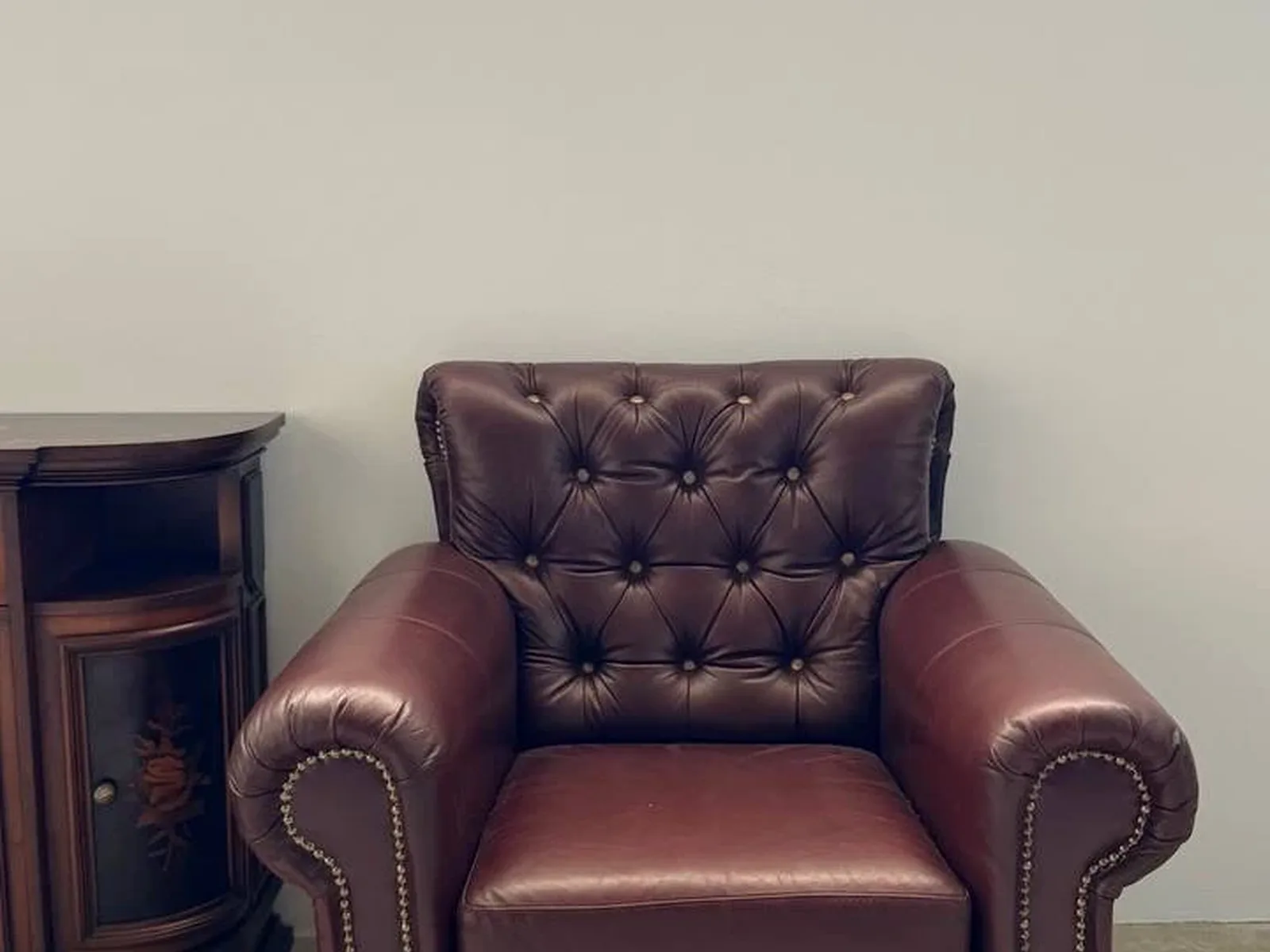
The difference between a valuable piece and a simplified reinterpretation lies in the details. A well-built Savonarola chair has multiple curved slats fanned out on each side — typically seven to eleven — rather than just two crossed bars, joined with solid-wood joinery instead of visible screws. The backrest is often decorated with inlay, carved floral motifs, or heraldic crests, and the upholstery, where present, is mounted on a rigid frame rather than stitched directly to the wood. Natural patina, fine traces of use, and the small asymmetries that develop naturally over time are signs you are looking at a genuinely old piece rather than a recent copy.
Wood Species Matter as Much as the Form
Walnut and oak are the classic species used for this chair type, chosen for their density and resistance to repeated stress — a folding chair endures different structural tension than a fixed one. Walnut brings a warm, chocolate tone that deepens beautifully with age, while oak offers a more pronounced grain and excellent resistance to humidity. If you want to understand the differences between the wood species used in quality furniture, it's worth reading our guide on walnut, oak or cherry: how to choose your wood species before any serious solid-wood purchase.
How to Integrate It into a Contemporary Interior
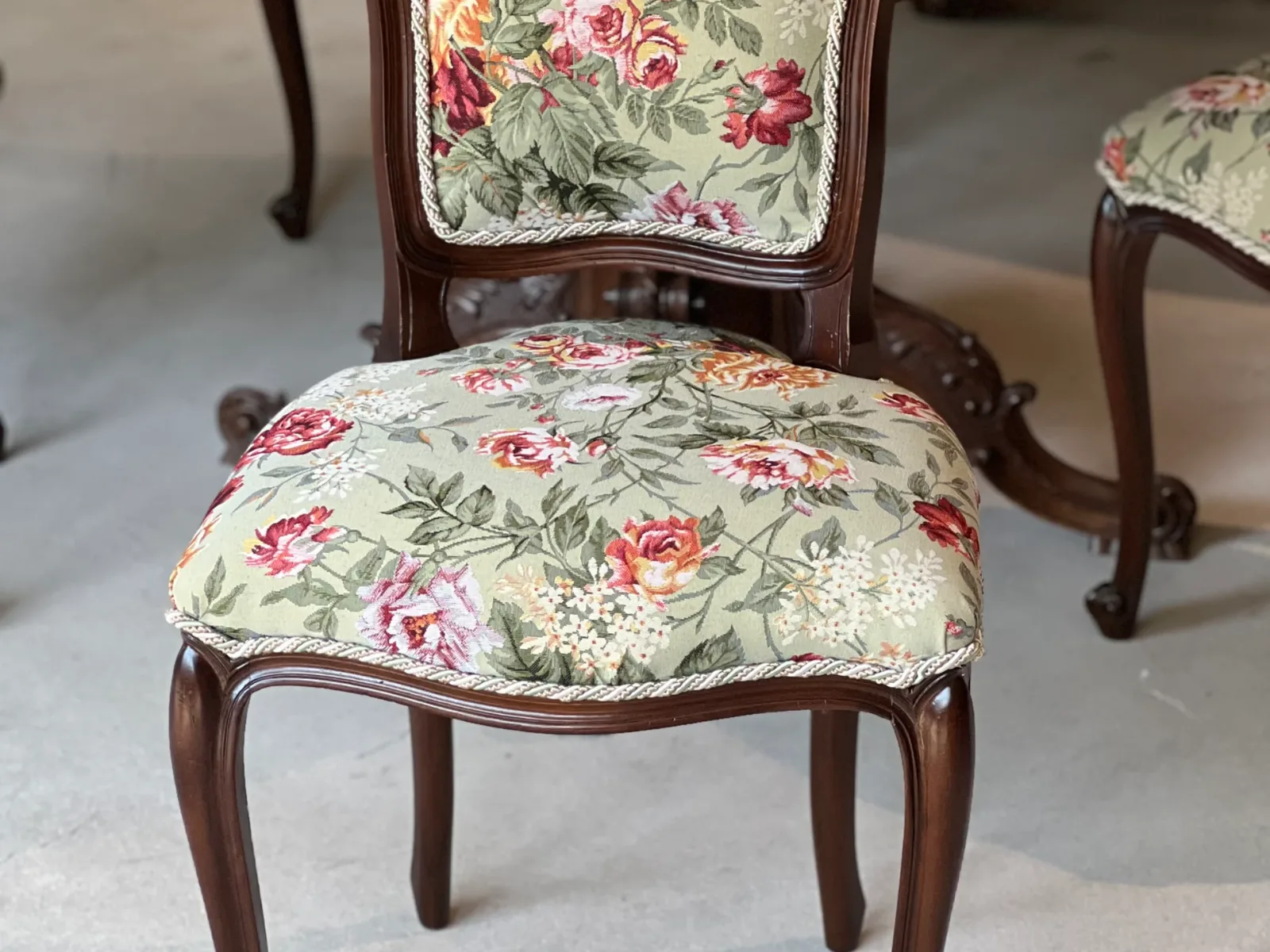
A Savonarola chair doesn't need a "museum" setting to work. Its strength lies precisely in contrast: placed next to a minimalist, modern desk, or at the head of a contemporary dining table, it becomes the room's visual anchor point. It works beautifully as a reading chair next to a bookcase, as a standalone accent in a generous entryway, or as a desk chair for someone who wants a workspace with character rather than a sterile one. If you're shaping a corner like that, our piece on solid wood libraries and reading corners offers composition ideas. And if you're wondering how a period piece like this generally pairs with contemporary furniture, we covered that at length in how to combine vintage and modern furniture with elegance.
Care: Little Effort, Long Life
Being a hinged structure, a Savonarola chair needs slightly more attention than a fixed chair: check the joints periodically, avoid prolonged direct sunlight or heat sources that dry out the wood, and occasionally feed the surface with a natural wax suited to the species. The general rules for caring for period pieces stay the same regardless of type, and our guide on caring for vintage wood furniture covers exactly these simple gestures that extend a piece's life by decades.
Why a One-of-a-Kind Piece Beats a Mass-Produced Copy
The market is full of industrial reproductions of the Savonarola form, produced in bulk from quickly treated wood with little attention to proportion. The difference from a carefully selected piece is obvious immediately — in the weight, in the sound of the wood, in how the joints hold up after years of use. At Martello, we select such pieces precisely for their uniqueness: each Savonarola chair in the collection carries its own story and its own small imperfections, and once it finds a home, you won't find an identical second one anywhere else. To understand why this distinction matters, we detailed it in one-of-a-kind piece vs. mass-produced furniture: why the difference matters.
For anyone living in Chișinău or elsewhere in Moldova and Romania, the best way to judge a piece like this remains a direct visit to the showroom in Nimoreni, Ialoveni, just 15 minutes from Chișinău, where you can see the structure, weight, and wood patina firsthand. You can also browse online through the Martello catalog, or head straight to the vintage furniture section, where rare pieces with genuine history like this one appear from time to time.